Accommodation in Japan (advanced)
Lesson overview
This lesson covers essential Japanese language skills for dealing with accommodation in Japan. You'll learn how to make and modify reservations, check in and out of hotels and ryokans, report problems with your room or facilities, and ask for help with transportation. The lesson emphasizes polite, formal language appropriate for customer service interactions, and includes practical dialogues for real-world situations you'll encounter while traveling in Japan.
Preparation
Grammar Explanation
Polite Request Forms
When dealing with accommodation staff, you'll frequently need to make polite requests. Here are the key patterns:
~たいのですが (I would like to...) - Used to express desires politely - Example: 予約をしたいのですが (I would like to make a reservation) - The のですが ending softens the request and invites a response
~をお願いします / ~をお願いしたいのですが (Please... / I'd like to request...) - Direct but polite request form - Example: チェックインをお願いします (Check-in, please) - Adding したいのですが makes it even more indirect and polite
~ていただけますか (Could you...?) - Very polite request form, literally "could I receive the favor of you doing...?" - Example: 部屋を変えていただけますか (Could you change my room?) - This is one of the most respectful ways to ask for something
~てください (Please do...) - Standard polite request - Example: 教えてください (Please tell me) - Less formal than ていただけますか but still polite
Honorific Prefixes: お and ご
In hotel and service contexts, many nouns take the honorific prefix お or ご: - お部屋 (room), お名前 (name), お電話 (phone) - ご予約 (reservation), ご住所 (address), ご利用 (use/service) - Generally, ご is used with words of Chinese origin (音読み), お with native Japanese words (訓読み)
Problem Reporting Pattern: ~が + State/Problem
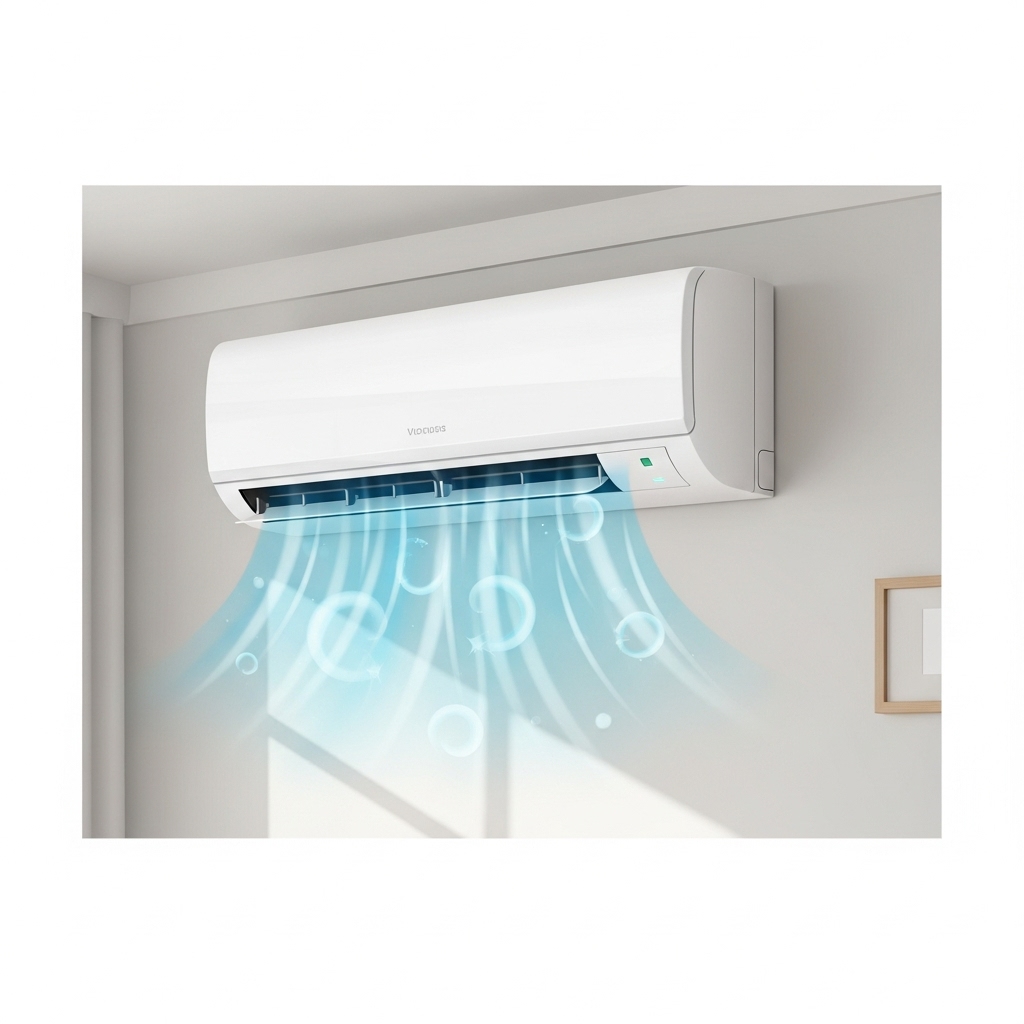
When reporting issues: - Subject marker が identifies what has the problem - Example: エアコンが壊れています (The AC is broken) - Example: お湯が出ません (Hot water isn't coming out)
Duration Counters
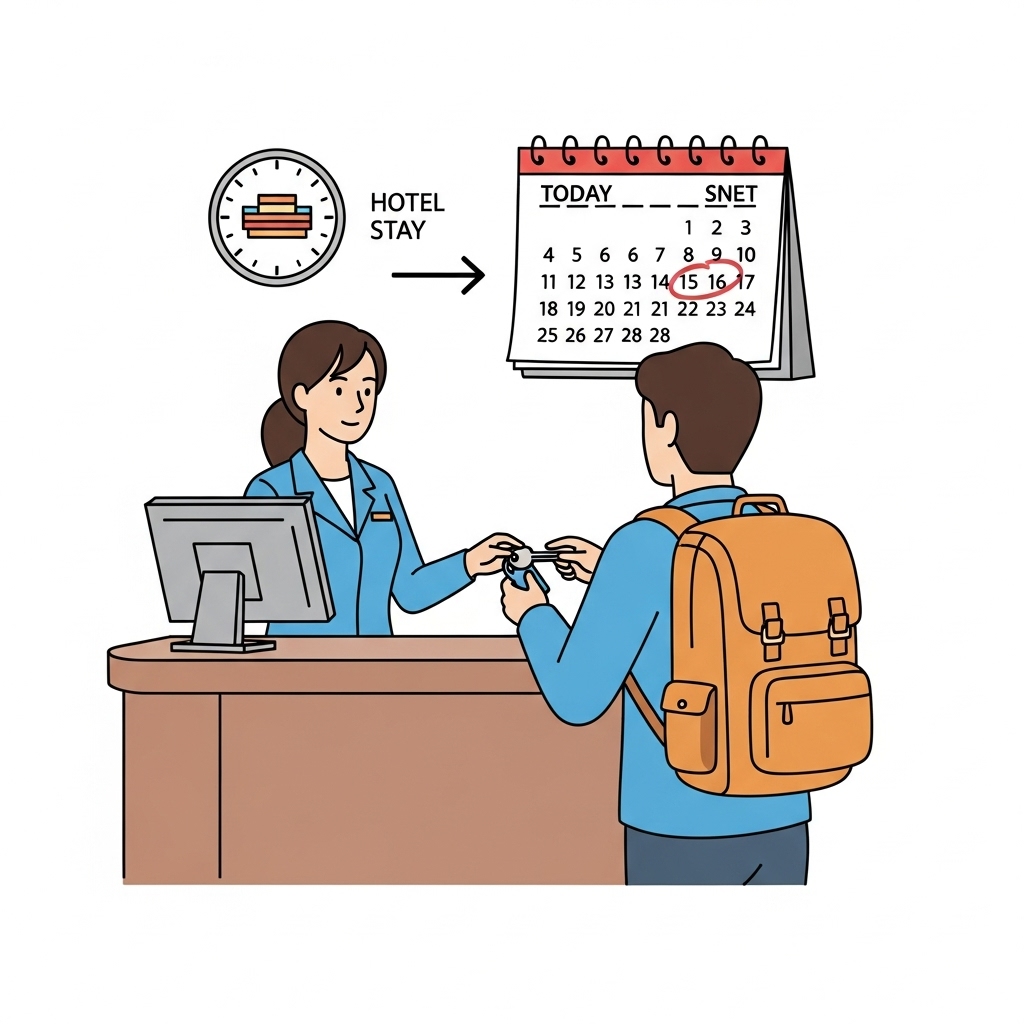
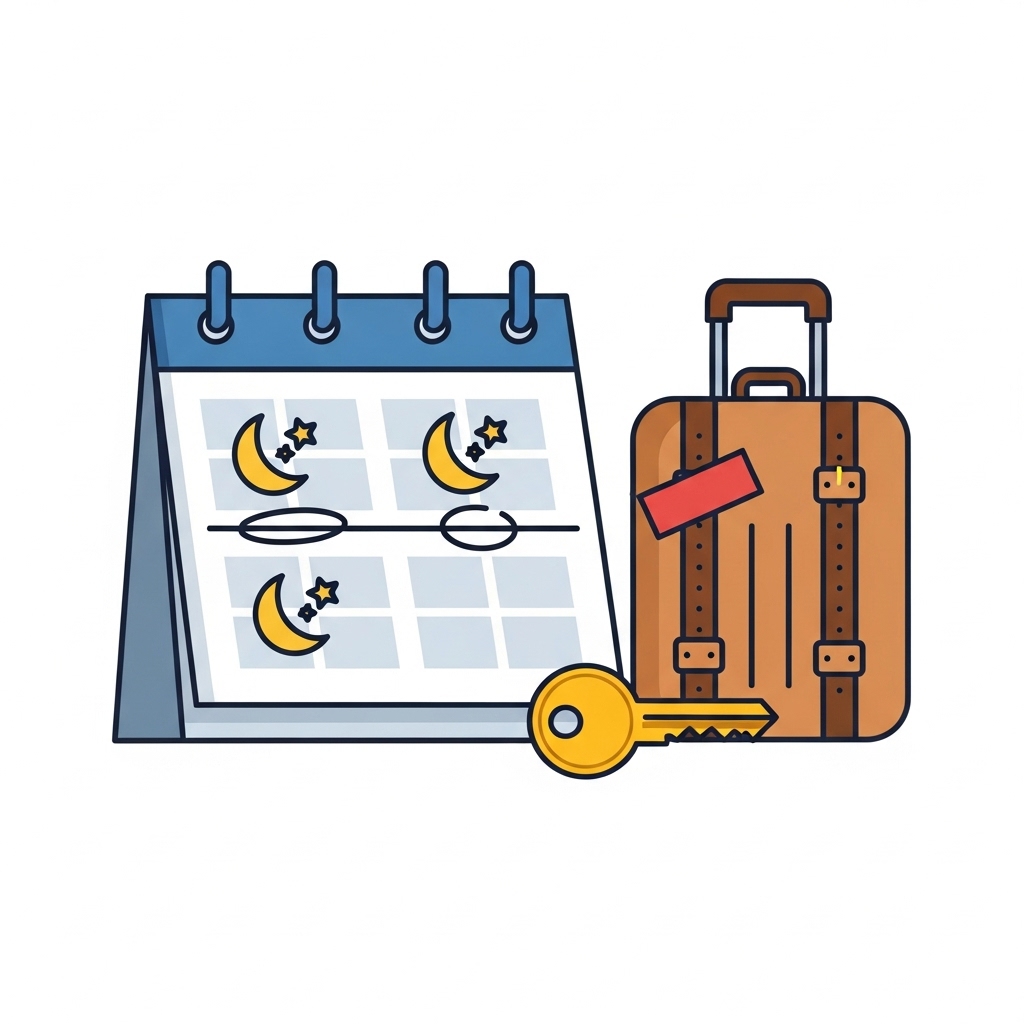
- 泊 (はく/ぱく): counter for nights stayed
- 一泊 (いっぱく): one night
- 二泊 (にはく): two nights
- 三泊 (さんぱく): three nights
- 名 (めい): counter for people (polite)
- 一名 (いちめい): one person
- 二名 (にめい): two people
Useful Phrases
Phrasebank
 予約をお願いしたいのですが
I'd like to make a reservation
予約 = "reservation"; を = object marker; お願いしたい = "would like to request"; のですが = explanatory soft ending that invites response
二泊三日で予約したいです
I'd like to book for two nights, three days
二泊 = "two nights"; 三日 = "three days"; で = particle indicating scope/parameters; 予約したい = "want to reserve"
チェックインをお願いします
I'd like to check in, please
チェックイン = "check-in"; を = object marker; お願いします = polite "please" or "I request"
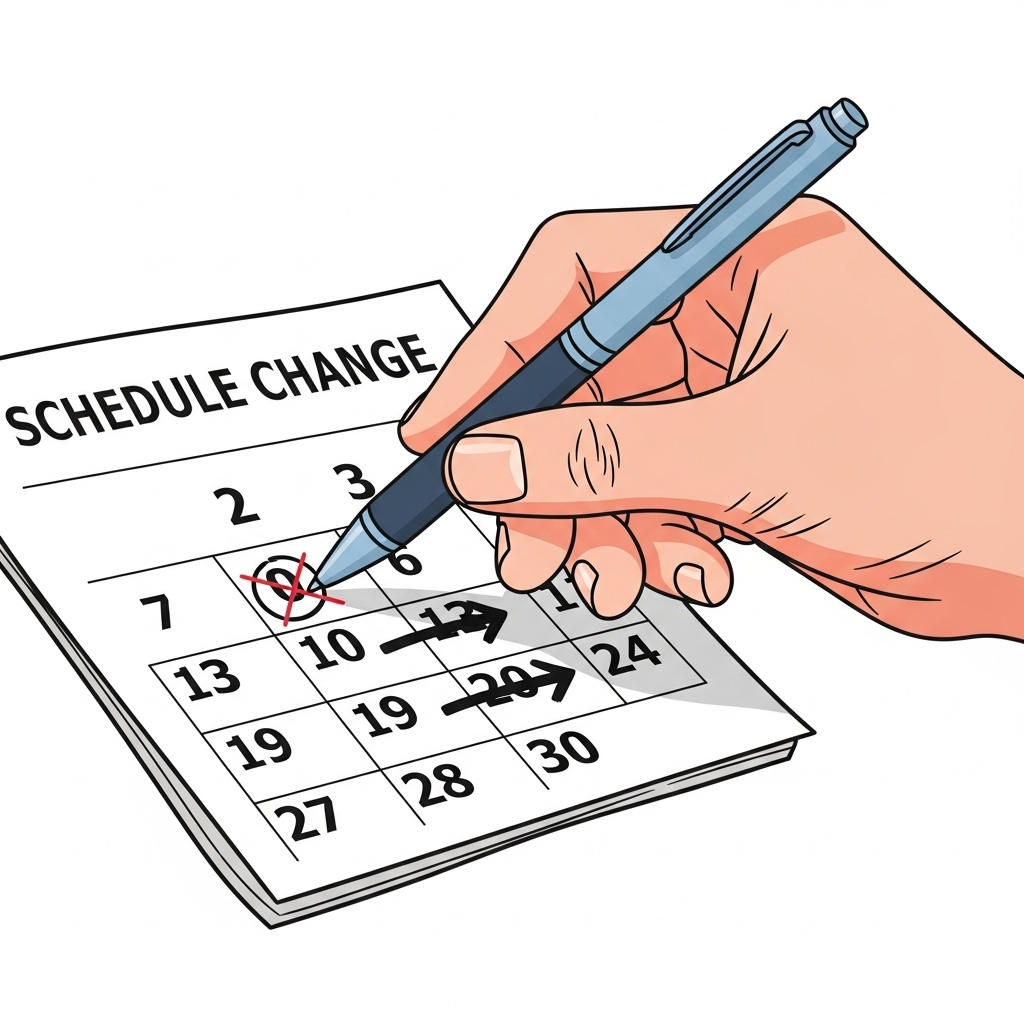
予約の変更をお願いできますか
Could I request a change to my reservation?
予約の変更 = "reservation change"; を = object marker; お願いできますか = "can I request?", very polite form
部屋を変えていただけますか
Could you change my room?
部屋 = "room"; を = object marker; 変えて = te-form of "to change"; いただけますか = "could I receive the favor?", extremely polite
エアコンが壊れています
The air conditioner is broken
エアコン = "air conditioner"; が = subject marker; 壊れています = "is broken", state resulting from action
お湯が出ません
Hot water isn't coming out
お湯 = "hot water" with honorific prefix; が = subject marker; 出ません = negative form of "to come out"
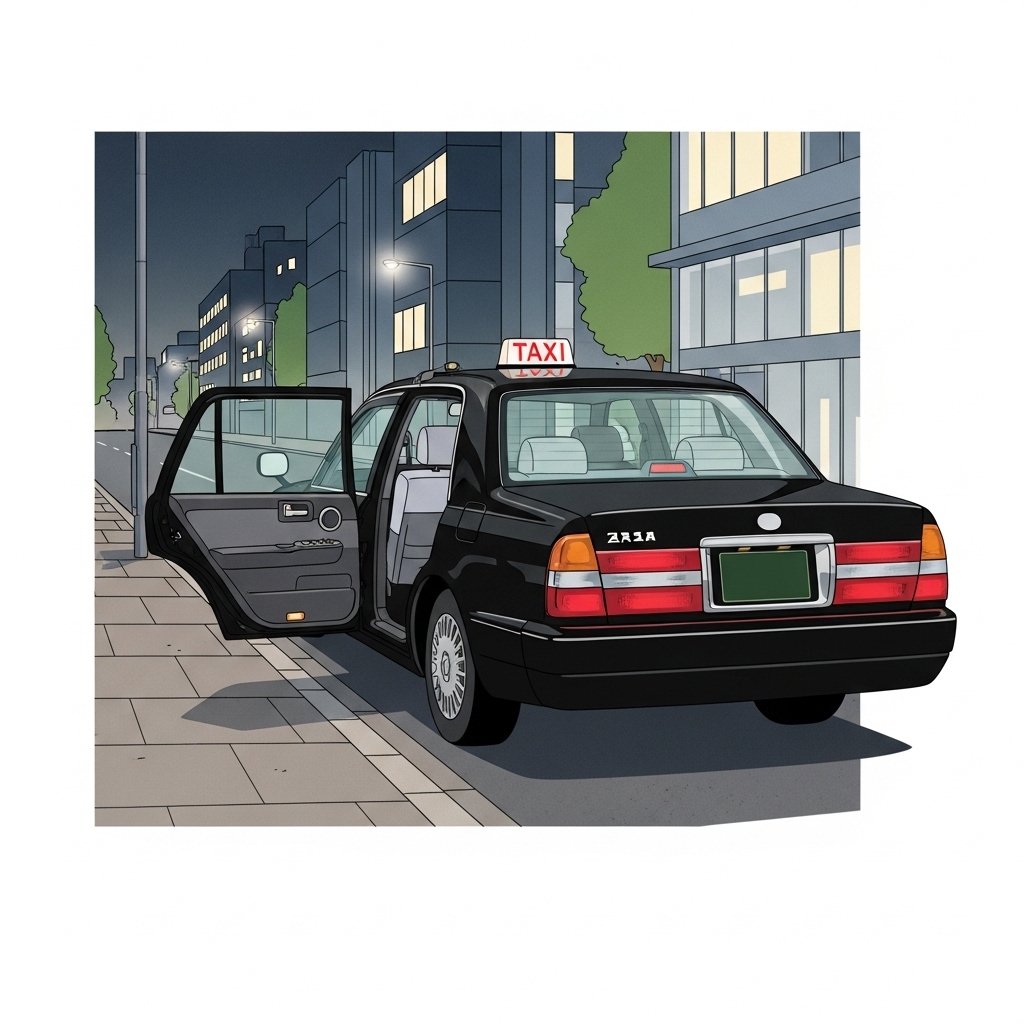
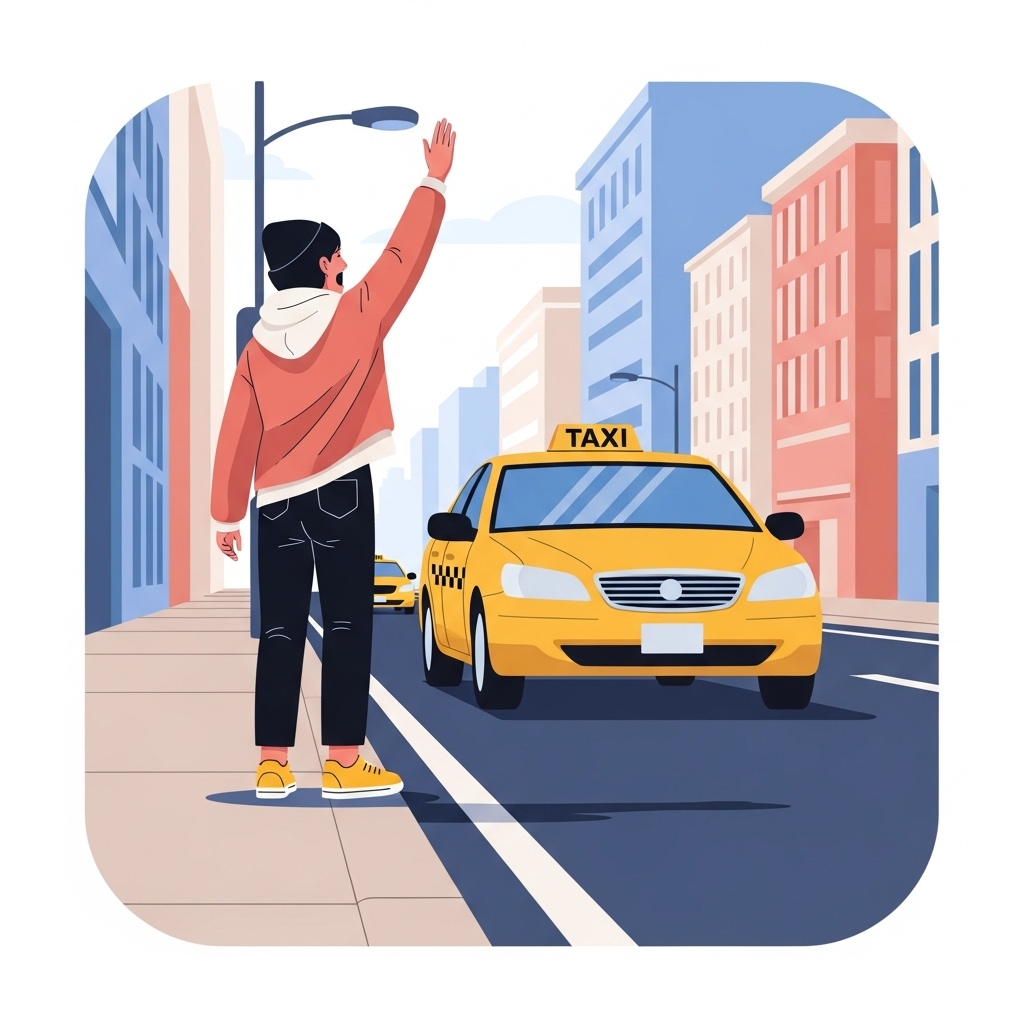
タクシーを呼んでいただけますか
Could you call a taxi for me?
タクシー = "taxi"; を = object marker; 呼んで = te-form of "to call"; いただけますか = "could I receive the favor?"
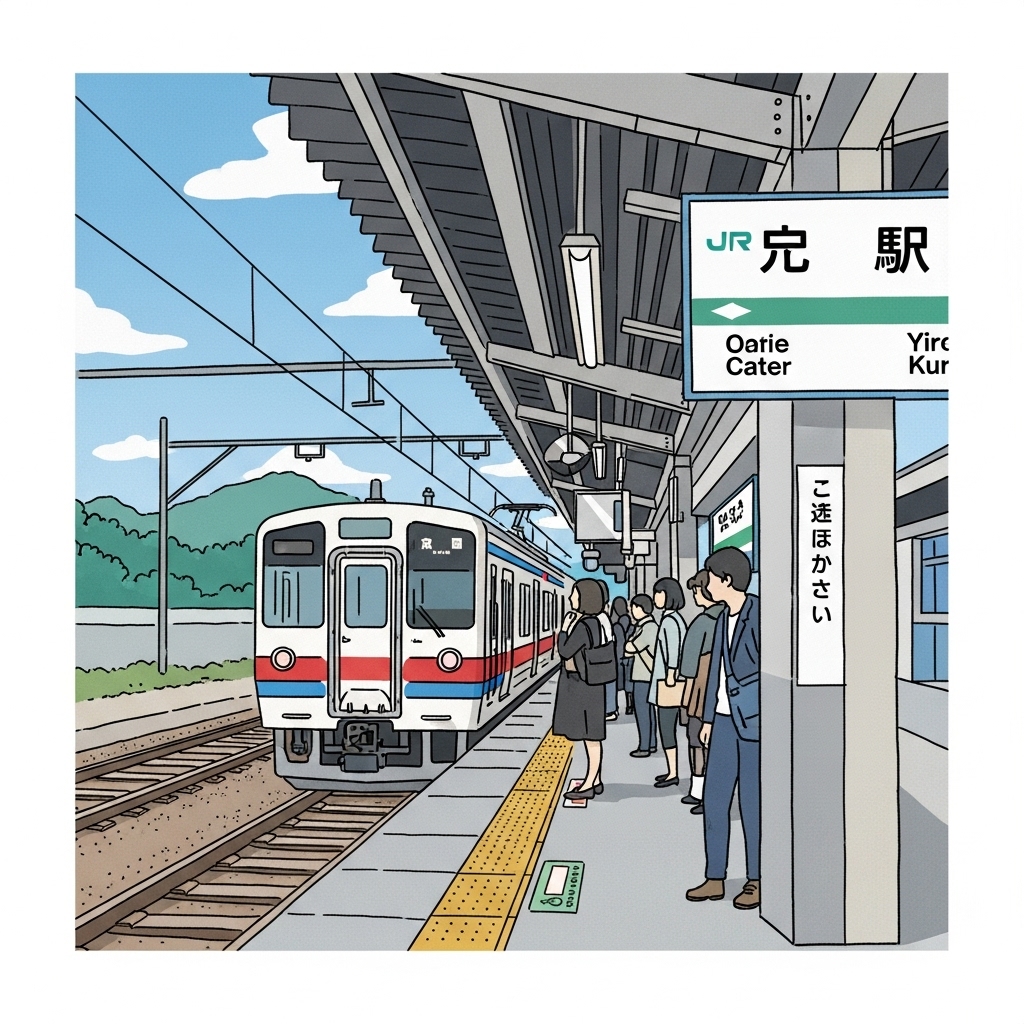
駅までの行き方を教えてください
Please tell me how to get to the station
駅 = "station"; まで = "to/until"; の = possessive/connecting particle; 行き方 = "way of going/how to get"; を = object marker; 教えてください = "please teach/tell"
朝食は何時からですか
What time does breakfast start?
朝食 = "breakfast"; は = topic marker; 何時 = "what time"; から = "from"; です = copula; か = question marker
チェックアウトは何時までですか
What time is check-out until?
チェックアウト = "check-out"; は = topic marker; 何時 = "what time"; まで = "until"; です = copula; か = question marker
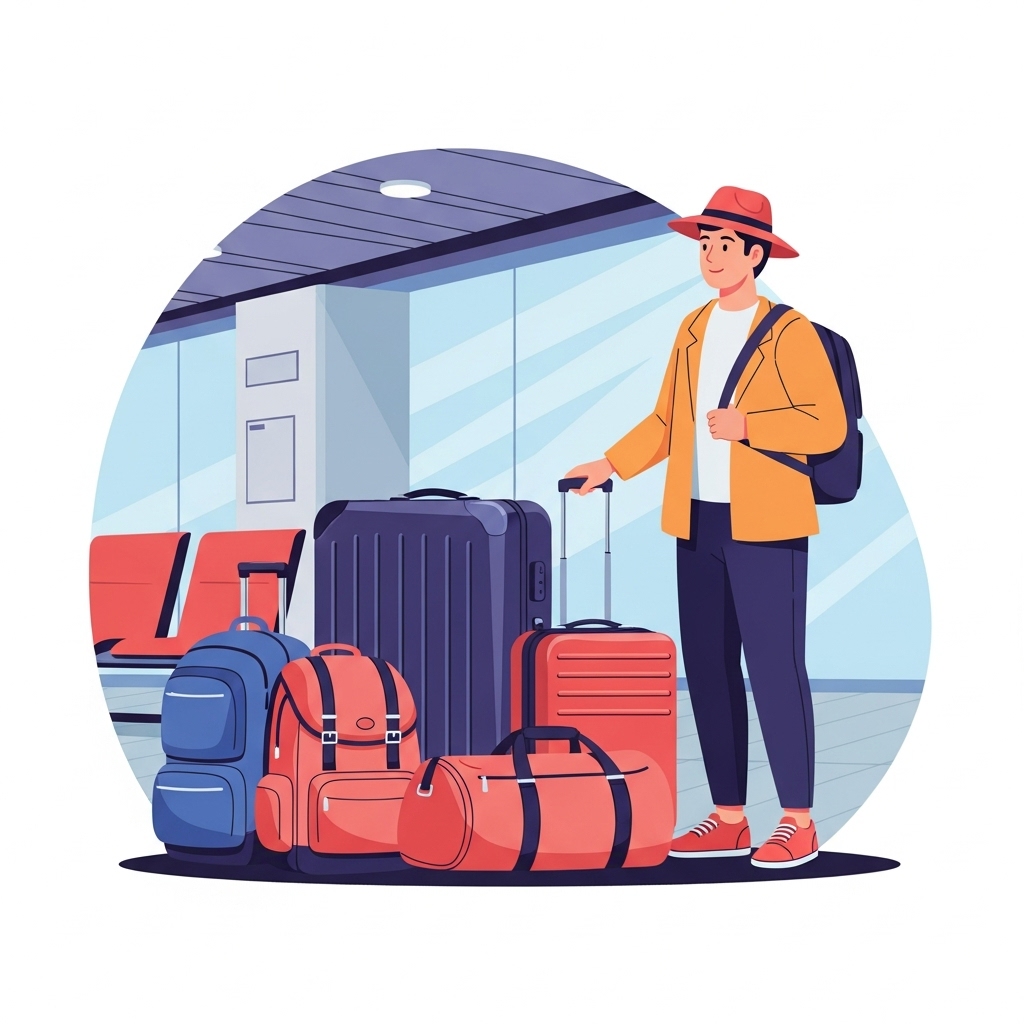
荷物を預かっていただけますか
Could you hold my luggage?
荷物 = "luggage/baggage"; を = object marker; 預かって = te-form of "to hold/keep"; いただけますか = "could I receive the favor?"
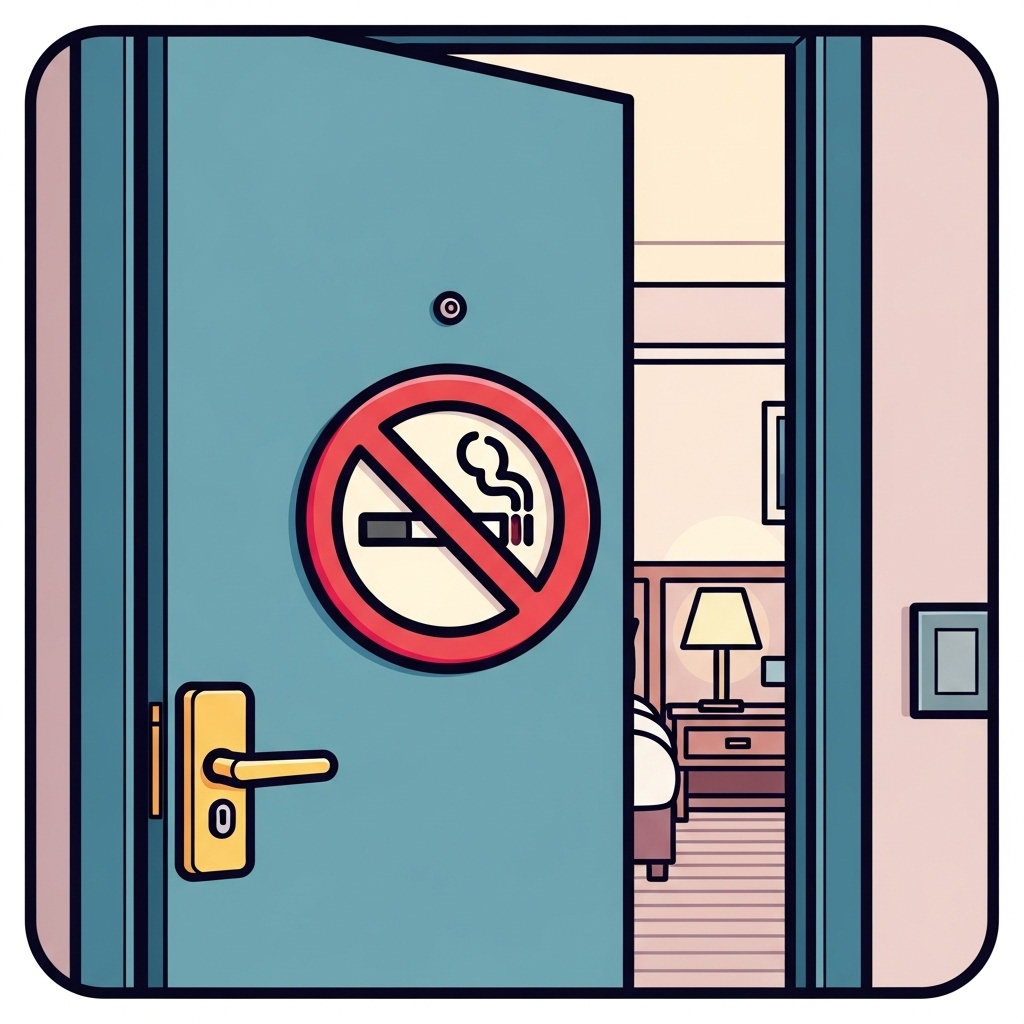
禁煙室をお願いします
I'd like a non-smoking room, please
禁煙室 = "non-smoking room"; を = object marker; お願いします = "please/I request"
Wi-Fiのパスワードを教えてください
Please tell me the Wi-Fi password
Wi-Fi = "Wi-Fi"; の = possessive particle; パスワード = "password"; を = object marker; 教えてください = "please tell/teach"
延泊は可能ですか
Is it possible to extend my stay?
延泊 = "extended stay/staying extra nights"; は = topic marker; 可能 = "possible"; です = copula; か = question marker
Dialogues
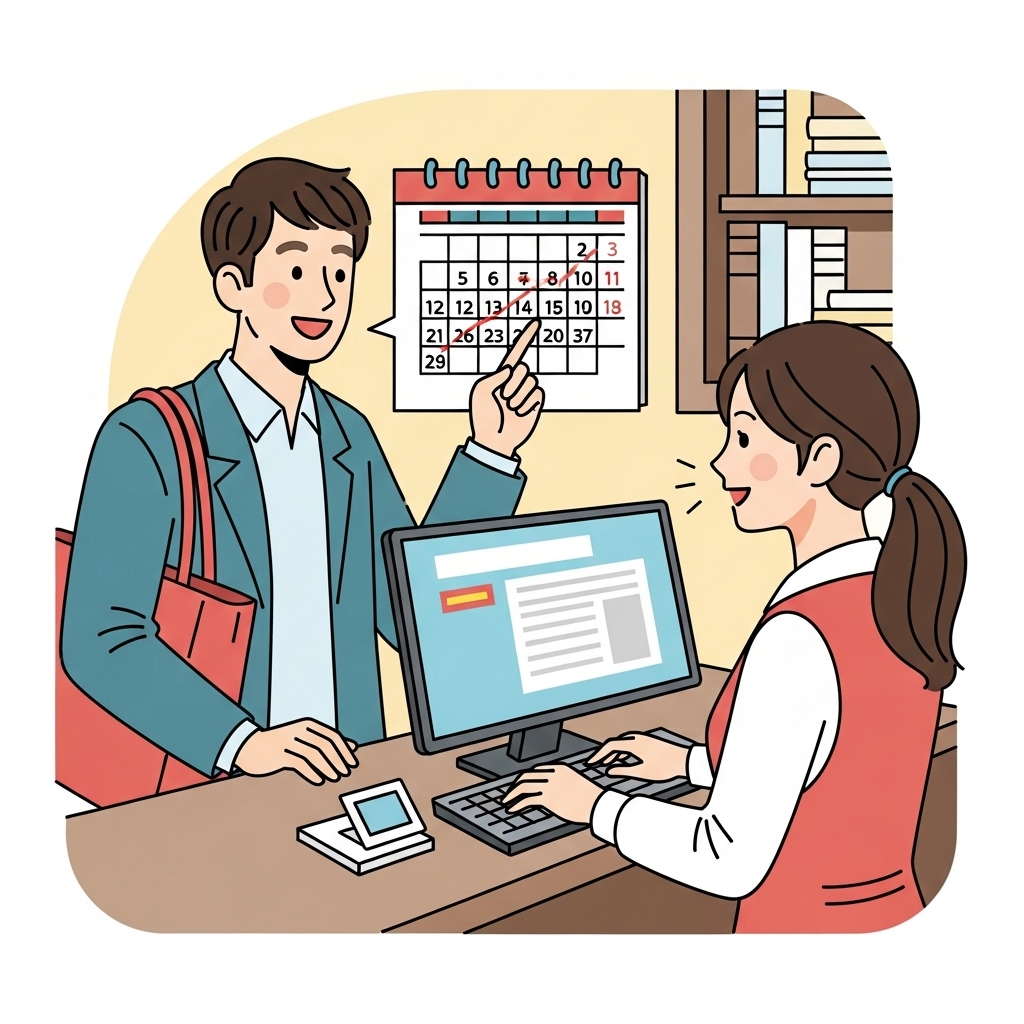
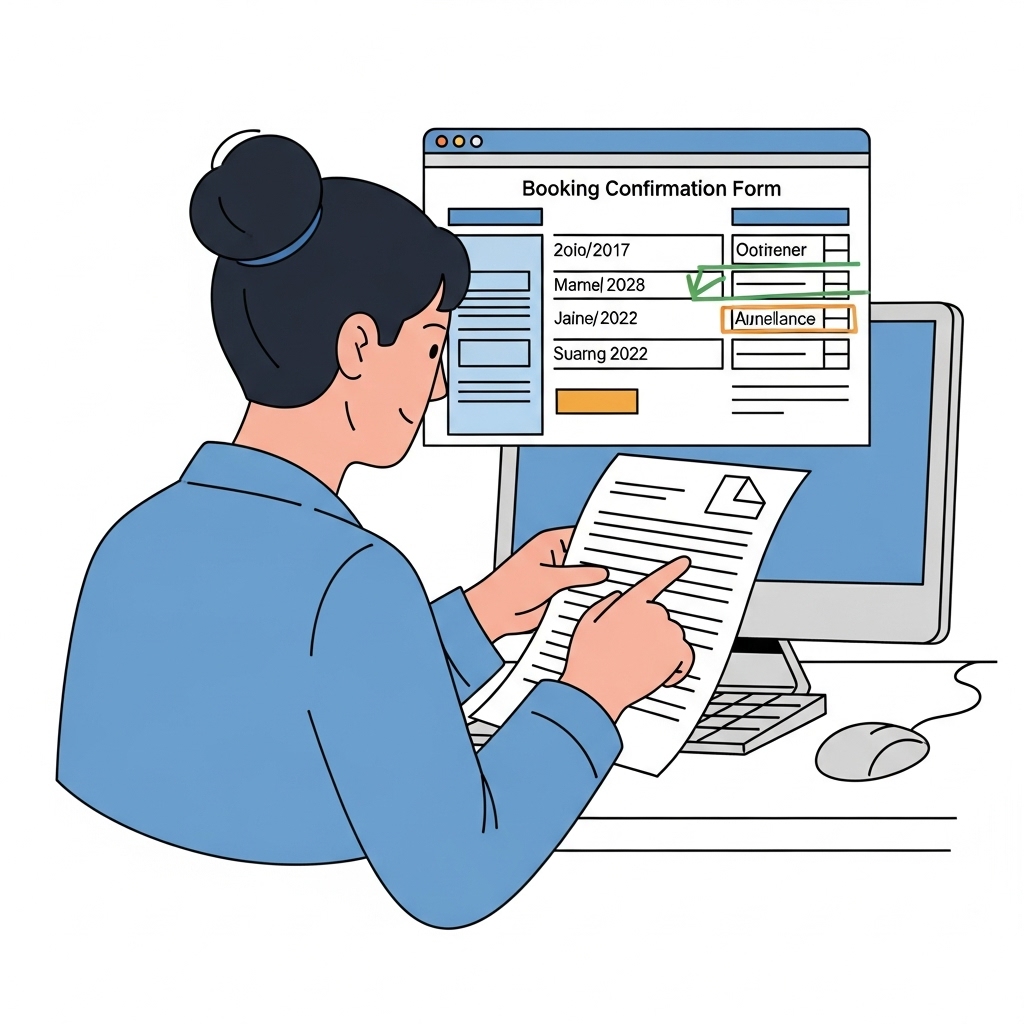
Dialogue 1: Making a Hotel Reservation by Phone
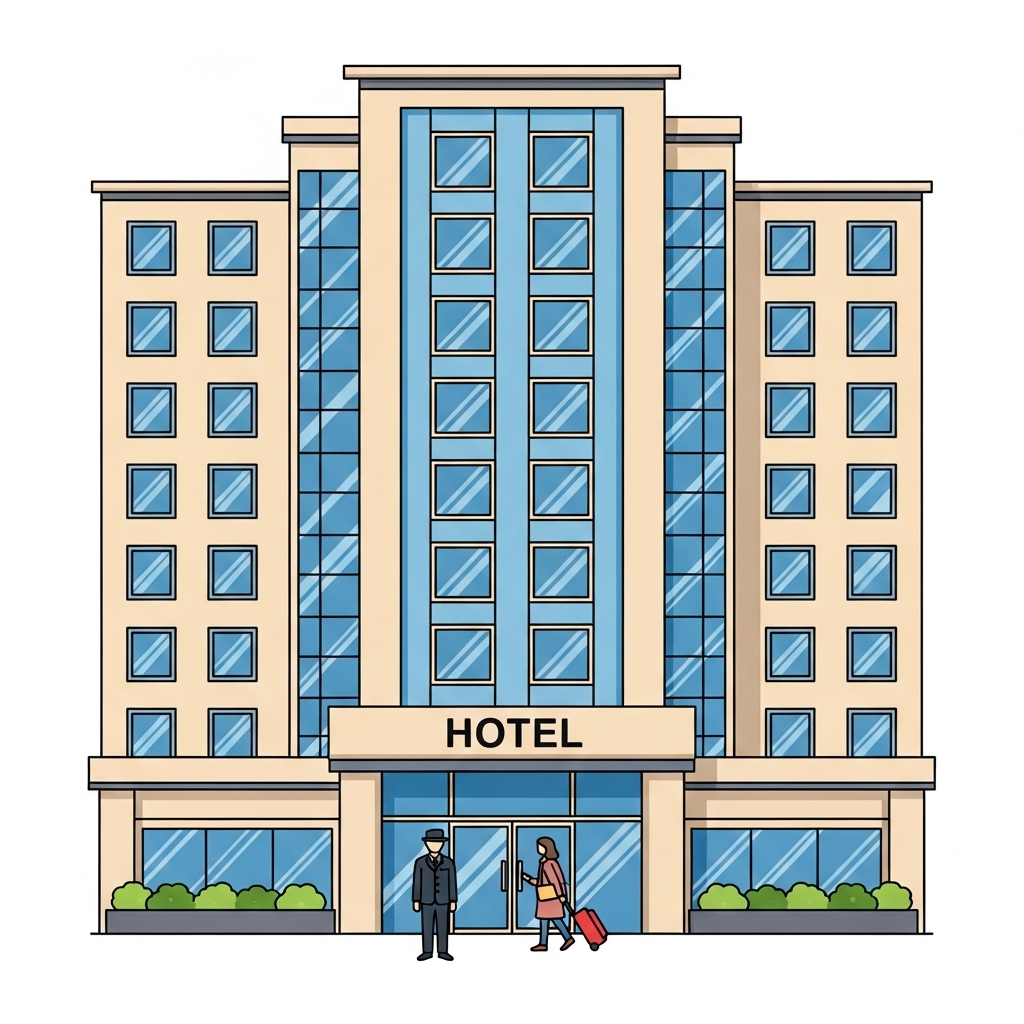
A traveler calls a hotel in Kyoto to make a reservation for their upcoming trip.
- Staff
- はい、京都ホテルでございます。
- Guest
- もしもし、予約をお願いしたいのですが。
- Staff
- ありがとうございます。いつからいつまでのご予約でしょうか。
- Guest
- 十二月十五日から二泊三日でお願いします。
- Staff
- かしこまりました。お部屋のタイプはいかがなさいますか。
- Guest
- ダブルルームで禁煙室をお願いします。
- Staff
- かしこまりました。お名前をお願いできますか。
- Guest
- 田中太郎です。
- Staff
- 田中様、ありがとうございます。ご連絡先のお電話番号もお願いいたします。
- Guest
- 090-1234-5678です。
- Staff
- ありがとうございます。それでは、十二月十五日から二泊、ダブルルームの禁煙室でご予約を承りました。
Conversation Practice
The user's goal is to successfully make a reservation using appropriate polite Japanese. Help them by responding naturally to their requests, asking clarifying questions if needed, and confirming details at the end.
Dialogue 2: Checking into a Ryokan
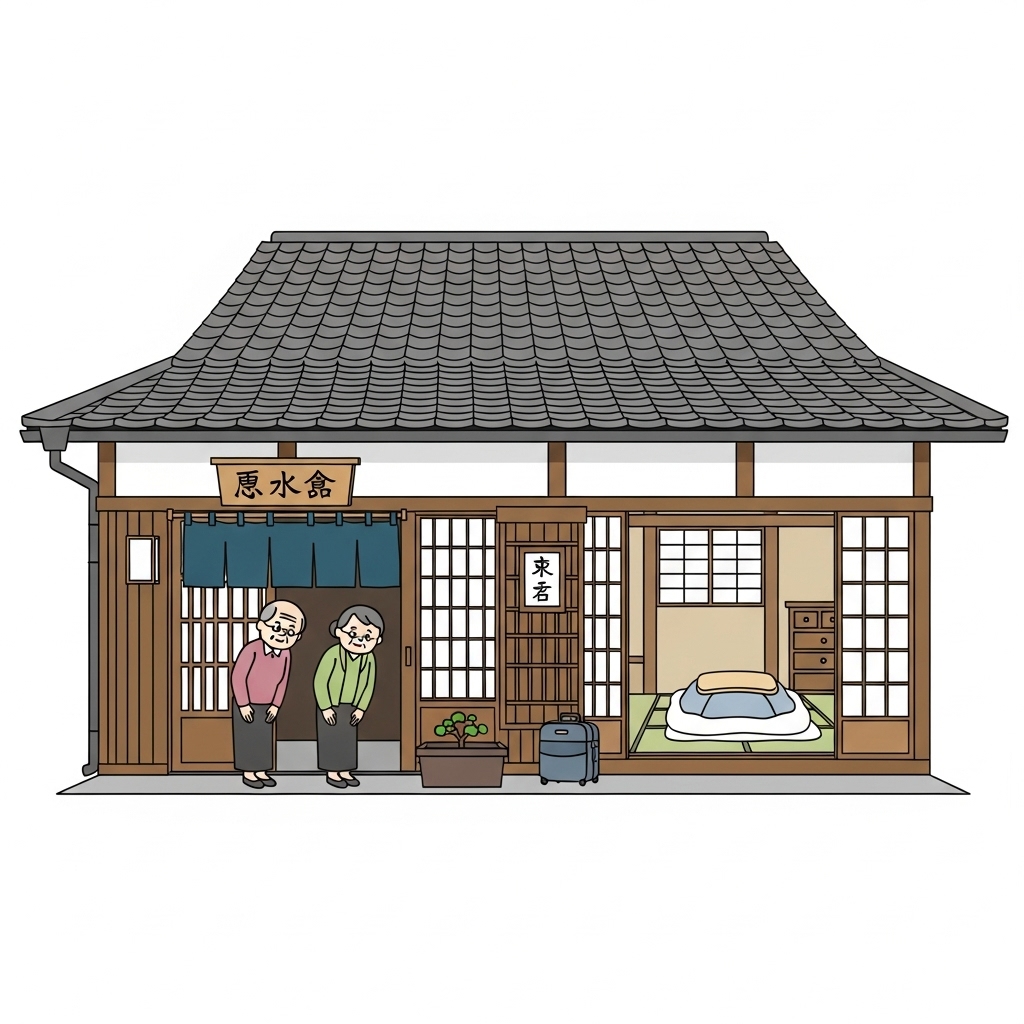
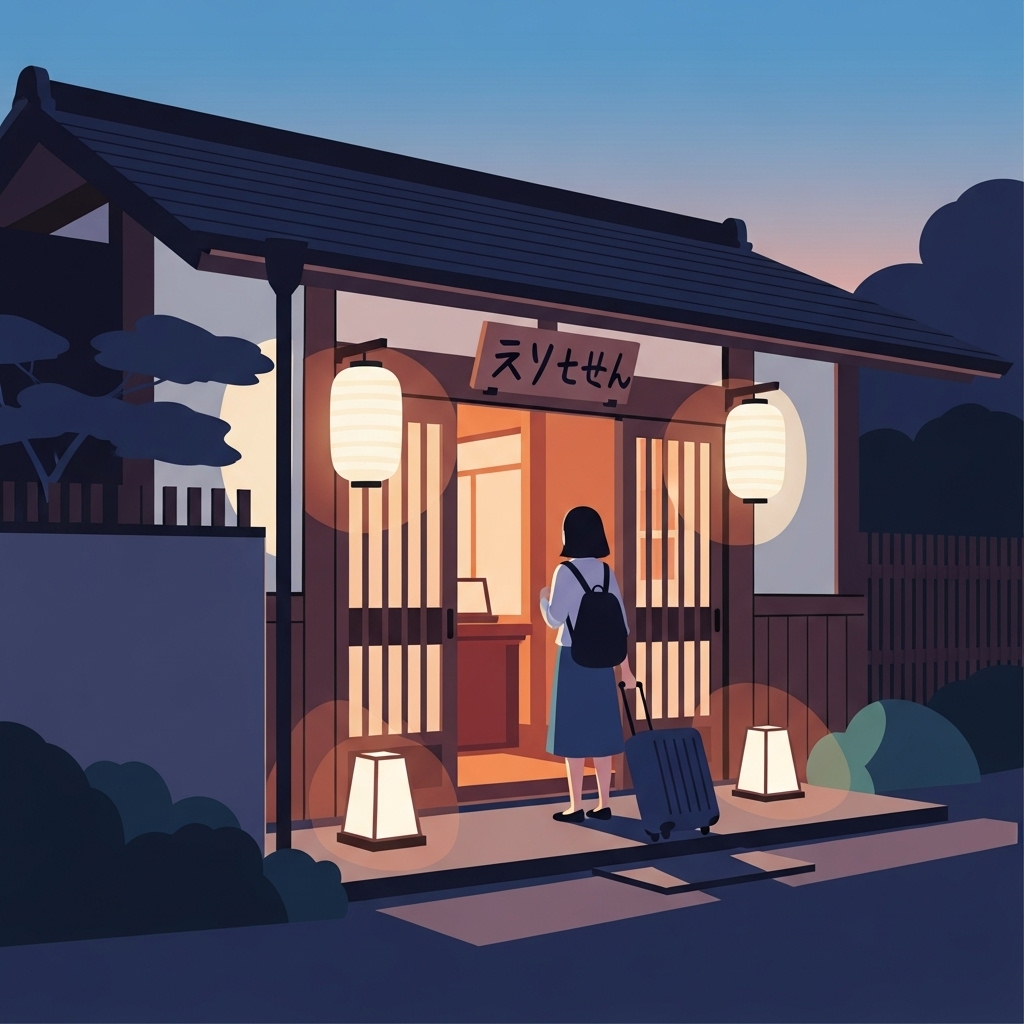
A guest arrives at a traditional Japanese inn (ryokan) and goes through the check-in process.
- Guest
- こんにちは。チェックインをお願いします。
- Staff
- いらっしゃいませ。ご予約のお名前をお伺いできますか。
- Guest
- 山田花子です。
- Staff
- 山田様、お待ちしておりました。二泊のご予約でございますね。
- Guest
- はい、そうです。
- Staff
- お部屋は二階の桜の間でございます。お夕食は六時から、朝食は七時半からとなっております。
- Guest
- ありがとうございます。温泉は何時まで入れますか。
- Staff
- 温泉は朝六時から夜十一時までご利用いただけます。
- Guest
- わかりました。あと、明日の朝、駅までタクシーを呼んでいただけますか。
- Staff
- かしこまりました。お時間はいかがいたしましょうか。
- Guest
- 九時にお願いします。
- Staff
- 承知いたしました。それでは、お部屋にご案内いたします。
Conversation Practice
The user's goal is to check in smoothly, understand the ryokan's facilities and schedule, and make any necessary arrangements (like taxi reservations). Create a warm, traditional hospitality atmosphere.
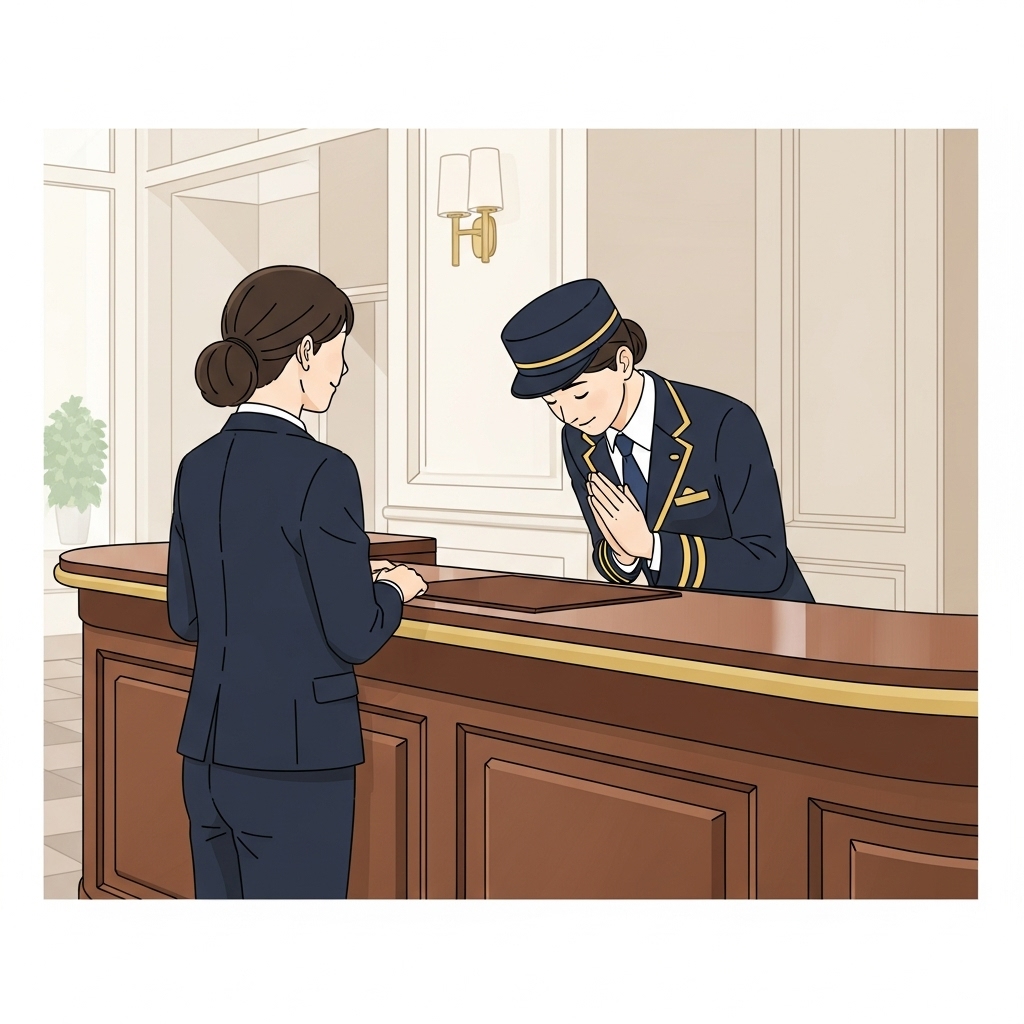
Dialogue 3: Reporting a Problem at an Accommodation
A guest discovers an issue with their room and contacts the front desk.
- Guest
- すみません、フロントですか。
- Staff
- はい、フロントでございます。どうなさいましたか。
- Guest
- 実は、部屋のエアコンが壊れているようなんです。
- Staff
- 申し訳ございません。お部屋番号をお伺いできますか。
- Guest
- 305号室です。
- Staff
- 305号室の田中様ですね。大変申し訳ございません。すぐにスタッフを向かわせます。
- Guest
- お願いします。あと、お湯も出ないんですが。
- Staff
- お湯も出ませんか。重ねてお詫び申し上げます。よろしければ、お部屋を変更させていただきますが、いかがでしょうか。
- Guest
- はい、お願いします。
- Staff
- かしこまりました。すぐに別のお部屋をご用意いたします。ご不便をおかけして申し訳ございません。
Conversation Practice
The user's goal is to report problems clearly and get them resolved. They should practice describing various issues and accepting or negotiating solutions.
Dialogue 4: Asking for Help with Transportation
A guest needs assistance getting to their next destination.
- Guest
- すみません、ちょっとお聞きしたいことがあるんですが。
- Staff
- はい、何でしょうか。
- Guest
- 明日、嵐山に行きたいんですが、行き方を教えていただけますか。
- Staff
- 嵐山でございますね。こちらから京都駅まで地下鉄で行きまして、そこからJR嵯峨野線に乗り換えていただきます。
- Guest
- どのくらい時間がかかりますか。
- Staff
- 全部で四十分ぐらいですね。
- Guest
- なるほど。あと、大きな荷物があるので、タクシーで行った方がいいかもしれません。
- Staff
- タクシーでしたら、一時間ほどかかりますが、直接行けますので楽だと思います。お呼びいたしましょうか。
- Guest
- はい、お願いします。九時頃にお願いできますか。
- Staff
- かしこまりました。九時にタクシーをご用意いたします。
Conversation Practice
The user's goal is to understand how to get to their destination and arrange appropriate transportation. They should practice asking about different places and transportation methods.
Short story
先月、私は初めて京都の旅館に泊まりました。予約の時、二泊三日で和室をお願いしました。チェックインの時、旅館のスタッフがとても親切で、部屋や温泉の説明を丁寧にしてくれました。
部屋は二階にあって、庭が見える素敵な和室でした。でも、一つ問題がありました。エアコンが少しうるさかったんです。フロントに電話して、「エアコンの音が大きいんですが」と伝えました。スタッフはすぐに来て、確認してくれました。
次の日、京都駅に行きたかったので、朝食の後、フロントで行き方を聞きました。「駅まで歩いて十五分ぐらいです」と教えてくれました。でも、荷物が重かったので、タクシーを呼んでもらいました。旅館のサービスは本当に素晴らしかったです。また泊まりたいと思います。
Wordbank




In-person lesson material
Warmup 1: vocab
Review these essential accommodation-related terms before the main lesson:
- Reservation
- Check-in / Check-out
- Front desk / Reception
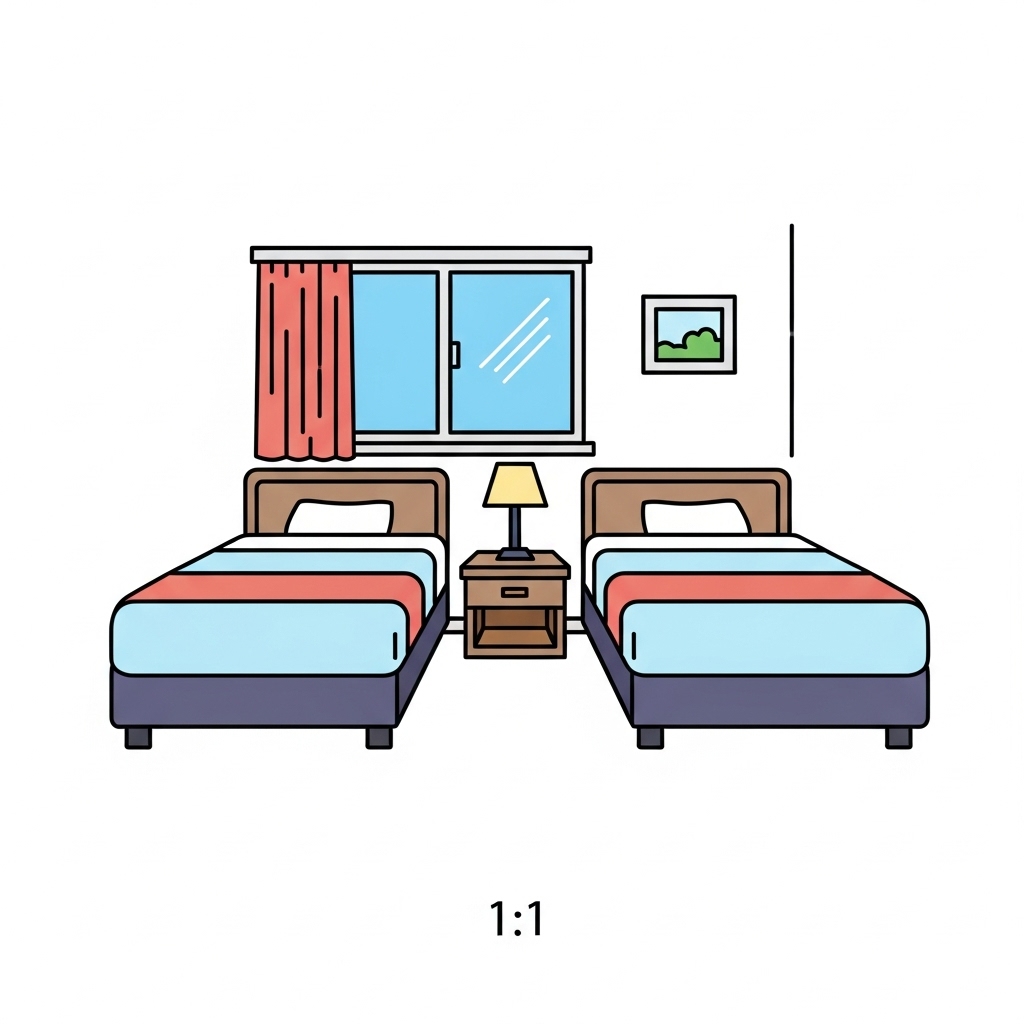
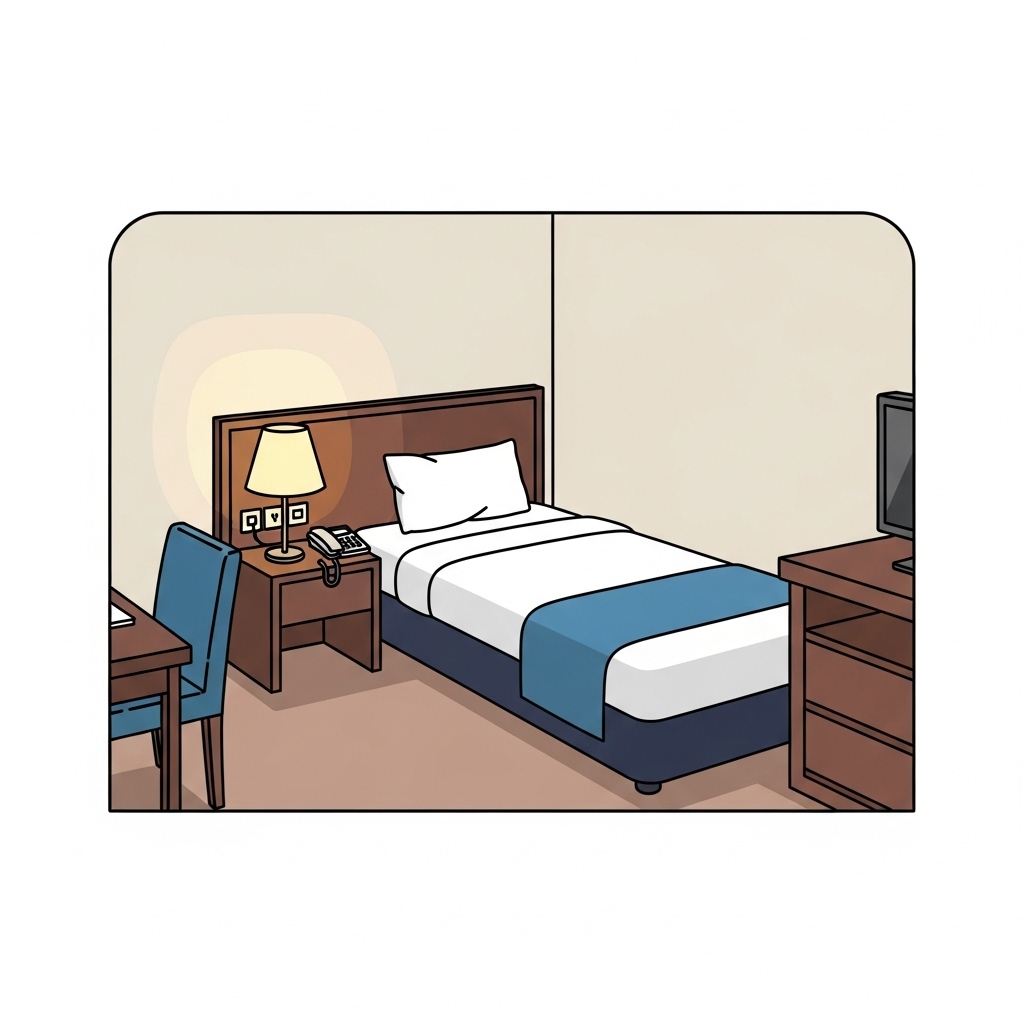
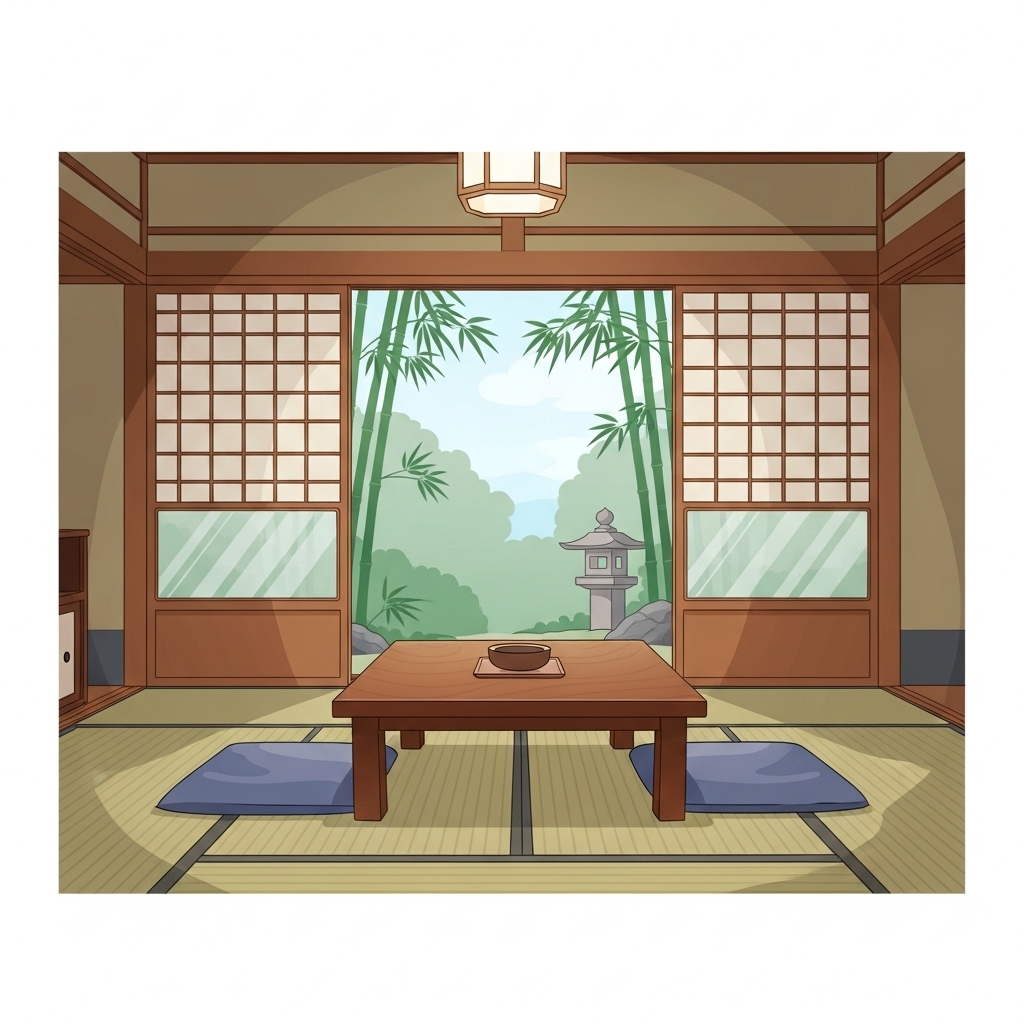
- Room (types: Japanese-style, Western-style, single, double, twin)
- Smoking / Non-smoking
- Night(s) (as in "two nights")
- Luggage / Baggage
- Key
- Breakfast / Dinner
- Hot water
- Air conditioner
- Towel
- Taxi
- Receipt
- Wi-Fi password
- Hot spring / Public bath
- Broken / Not working
- To hold/keep (luggage)
- To call (taxi)
- Change / Modification (to reservation)
Warmup 2: phrases
Review these essential phrases and constructs:
- "I'd like to make a reservation"
- "I'd like to check in"
- "Could you change my room?"
- "Could you call a taxi?"
- "The air conditioner is broken"
- "Hot water isn't coming out"
- "Please tell me how to get to..."
- "What time does breakfast start?"
- "Could you hold my luggage?"
- "I'd like a non-smoking room"
- "Is it possible to extend my stay?"
- "I'd like to change my reservation"
- Using polite request forms (ていただけますか、お願いします)
- Describing problems (〜が壊れています、〜が出ません)
Conversation
Dialogue 1: Phone Reservation Roleplay
Setup: Student is planning a trip to Japan and needs to make a hotel reservation by phone. Teacher plays the hotel staff.
Student role: Call the hotel to make a reservation. Include: - Desired dates (specific dates or "X nights from Y date") - Number of people - Room type preference (single/double/twin, smoking/non-smoking) - Any special requests
Teacher role: Take the reservation professionally. Ask for: - Name - Contact information - Confirm all details
Objective: Student practices making polite requests and providing information clearly. Teacher assesses student's ability to handle a structured service interaction.
Dialogue 2: Problem Resolution at the Hotel
Setup: Student has checked into their hotel room and discovered several issues. They call the front desk to report problems.
Student role: Report 2-3 problems with your room (choose from: broken air conditioner, no hot water, noisy, dirty, wrong room type, missing amenities). Request solutions.
Teacher role: Respond as front desk staff. Apologize appropriately, ask clarifying questions, and offer solutions (send maintenance, change rooms, provide missing items).
Objective: Student practices describing problems, expressing dissatisfaction politely, and negotiating solutions. Teacher helps student use appropriate problem-reporting language and accept/negotiate remedies.
Dialogue 3: Concierge Assistance
Setup: Student is staying at a hotel and needs help planning their day trip or getting to various destinations.
Student role: Ask the hotel concierge (teacher) for: - Directions to a tourist site or destination - Best transportation method (train/bus/taxi/walking) - Time estimates and costs - Request help booking a taxi or writing down directions
Teacher role: Provide helpful information as a concierge. Suggest options, explain routes, offer to make arrangements. Use authentic details about Japanese cities if possible.
Objective: Student practices asking for information, understanding directions, and requesting services. Teacher assesses comprehension and helps with transportation-related vocabulary and expressions.