Japanese for Travelers: Accommodation Essentials
Lesson overview
This lesson covers practical Japanese for accommodation situations that travelers commonly encounter. You'll learn how to make and modify reservations, check in and out of various types of accommodation (hotels, ryokans, AirBnBs), report problems, and ask for help with transportation and directions. The lesson focuses on polite, formal language appropriate for interacting with accommodation staff, using simple grammatical structures suitable for A2-level learners.
Preparation
Grammar Explanation
Polite Request Forms
In accommodation settings, you'll frequently need to make polite requests. Here are the key patterns:
~てもらえますか / ~ていただけますか - "Could you please...?" - This is a polite way to ask someone to do something for you - Example: 予約を変更してもらえますか (Can you change my reservation?) - もらえます comes from もらう (to receive) - you're asking to "receive the favor" of them doing something - いただけます is the humble form, even more polite
~たいんですが - "I'd like to..., but..." - Used to soften requests and make them more polite - Example: チェックインしたいんですが (I'd like to check in...) - たい expresses desire, んです adds explanation/context, が softens the statement
~をお願いします - "Please (give me/do)..." - A polite way to request something or ask for a service - お願い is the polite noun form of 願う (to request/wish) - Example: タクシーをお願いします (Please call a taxi for me)
Potential Form for Asking Possibility
~できますか - "Can/Is it possible to...?" - Used to ask if something is possible - Example: 早くチェックインできますか (Can I check in early?) - できる is the potential form of する (to do)
Time Expressions
~から~まで - "from... to..." - Used to express duration or time periods - Example: 三泊四日、十二月一日から四日まで (3 nights 4 days, from December 1st to 4th)
~に - Time particle - Used to mark specific points in time - Example: 三時にチェックインします (I'll check in at 3 o'clock)
Useful Phrases
Phrasebank
 予約をお願いします
I'd like to make a reservation, please
予約 - reservation, を - object marker, お願いします - polite request form meaning "please do/give"
予約を変更してもらえますか
Could you change my reservation?
予約 - reservation, を - object marker, 変更して - te-form of 変更する "to change", もらえますか - potential form of もらう "to receive" + question marker, literally "can I receive the favor of you changing"
チェックインしたいんですが
I'd like to check in
チェックイン - check in, したい - want to do, んです - explanatory form adding context/softness, が - but/softener at end of sentence
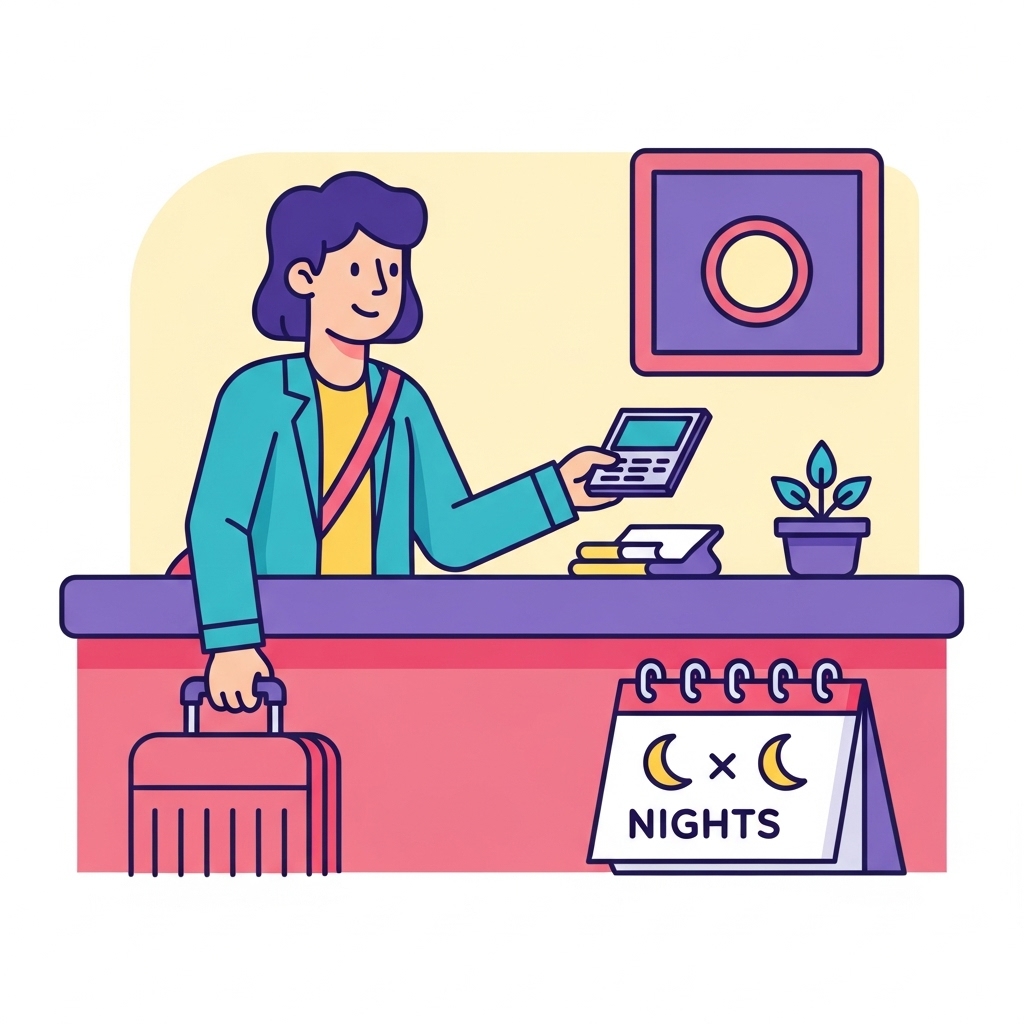
三泊四日、十二月一日から四日まで
3 nights 4 days, from December 1st to 4th
三泊四日 - 3 nights 4 days, 十二月一日 - December 1st, から - from, 四日 - 4th day, まで - until/to
部屋に問題があります
There's a problem with the room
部屋 - room, に - location particle, 問題 - problem, が - subject marker, あります - exists/there is
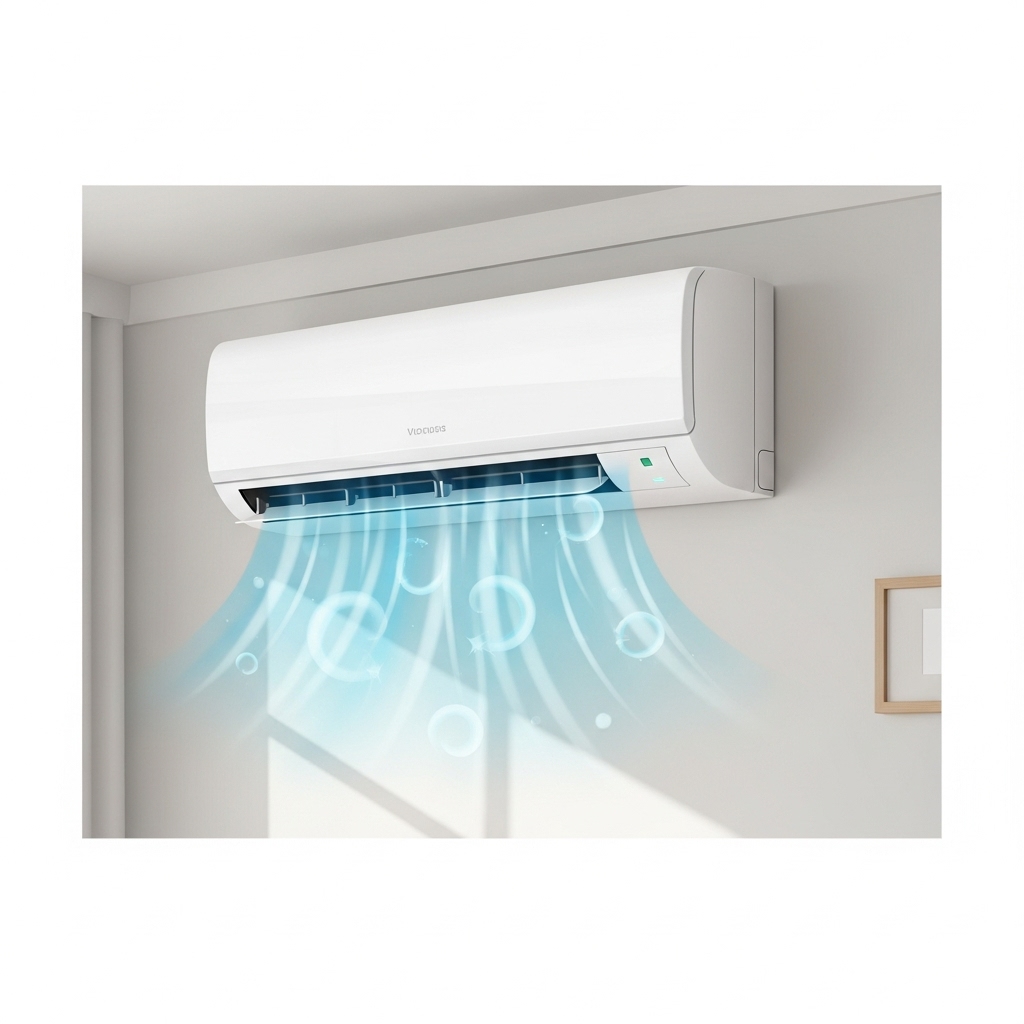
エアコンが動きません
The air conditioner doesn't work
エアコン - air conditioner, が - subject marker, 動きません - doesn't work/move, negative form of 動く
部屋を変えてもらえますか
Could you change my room?
部屋 - room, を - object marker, 変えて - te-form of 変える "to change", もらえますか - can I receive the favor of you doing this
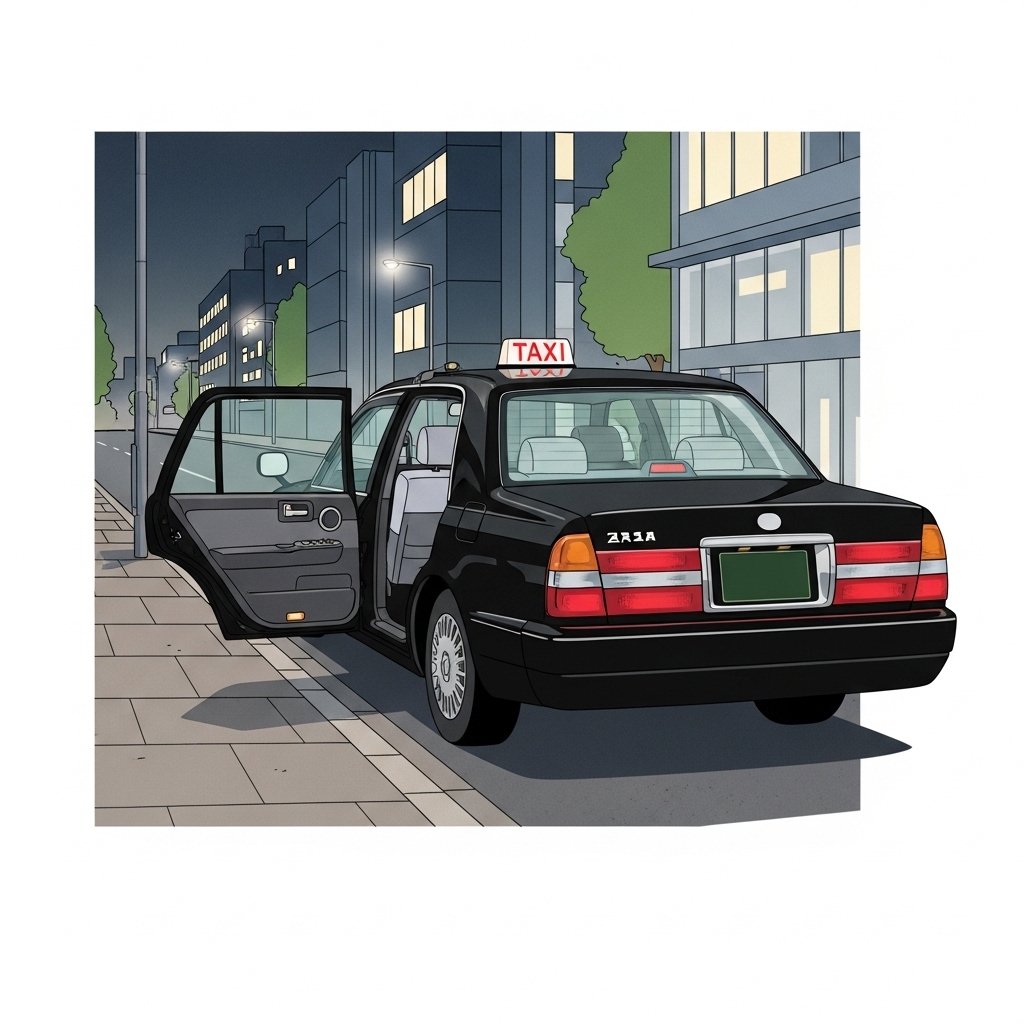
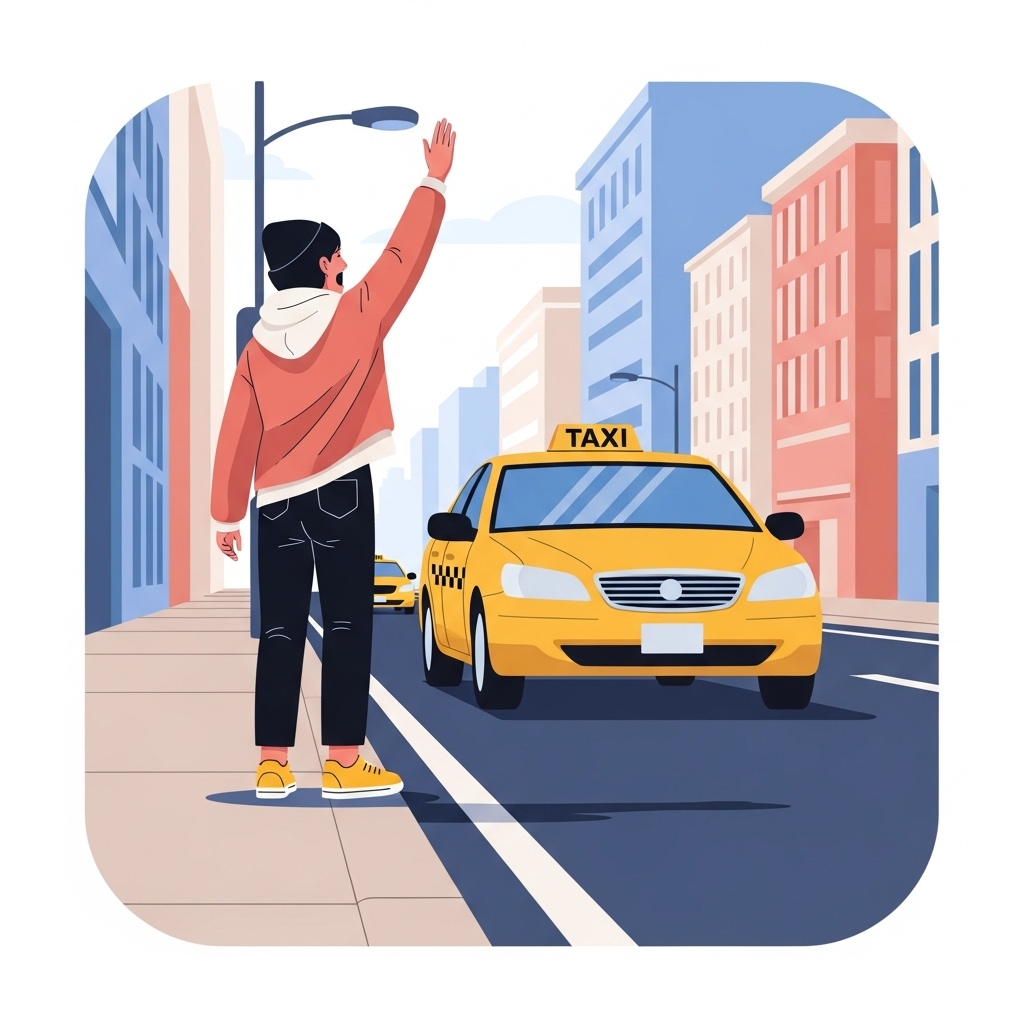
タクシーをお願いします
Please call a taxi for me
タクシー - taxi, を - object marker, お願いします - polite request, literally "I request/ask for"
ここからどうやって行きますか
How do I get there from here?
ここ - here, から - from, どうやって - how/by what means, 行きます - go, か - question marker
チェックアウトは何時ですか
What time is check-out?
チェックアウト - check out, は - topic marker, 何時 - what time, です - is, か - question marker
早くチェックインできますか
Can I check in early?
早く - early, チェックイン - check in, できます - can do/is possible, か - question marker
荷物を預けてもらえますか
Could you hold my luggage?
荷物 - luggage, を - object marker, 預けて - te-form of 預ける "to deposit/entrust", もらえますか - can I receive the favor
朝食は何時からですか
What time does breakfast start?
朝食 - breakfast, は - topic marker, 何時 - what time, から - from, です - is, か - question marker
Wi-Fiのパスワードを教えてください
Please tell me the Wi-Fi password
Wi-Fi - wifi, の - possessive particle, パスワード - password, を - object marker, 教えて - te-form of 教える "to tell/teach", ください - please give/do
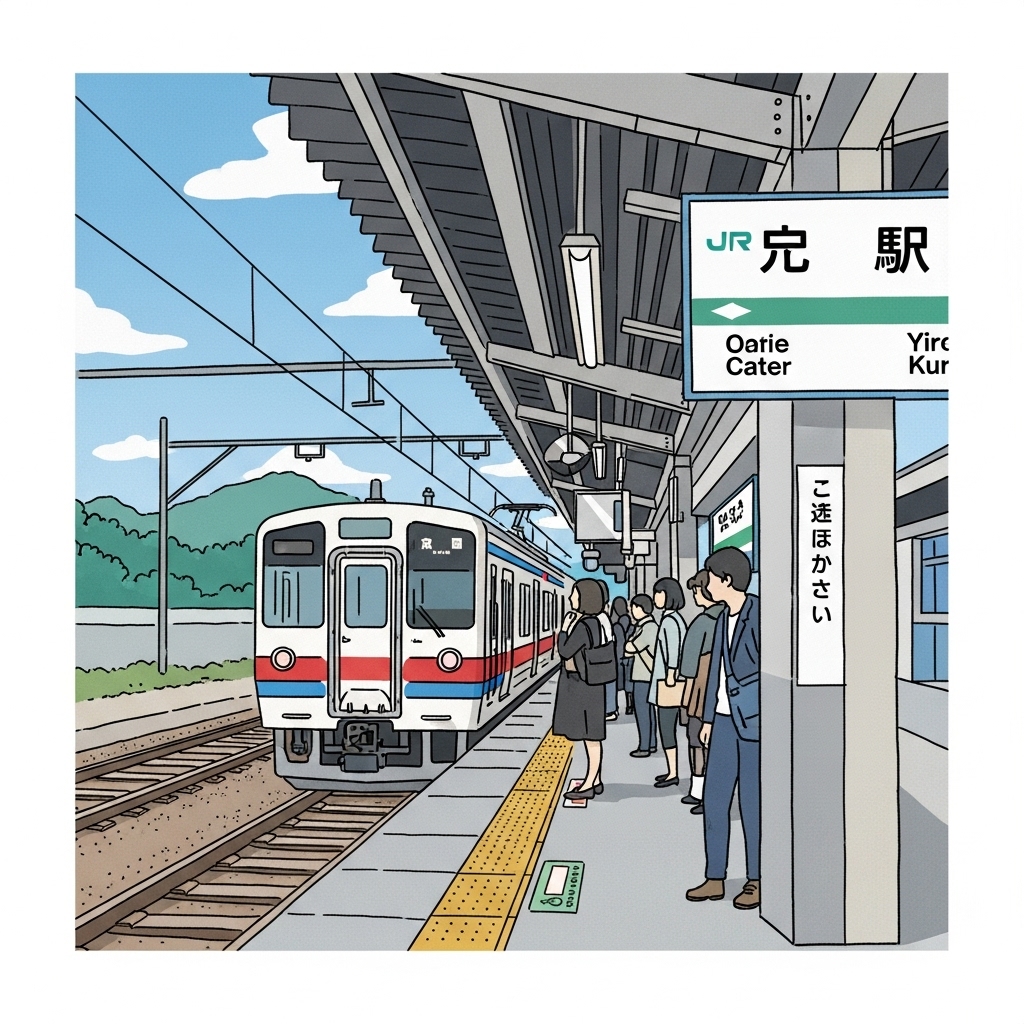
駅への行き方を教えてもらえますか
Could you tell me how to get to the station?
駅 - station, への - to the/toward, 行き方 - way of going/how to get there, を - object marker, 教えて - te-form of 教える "to teach", もらえますか - can I receive the favor
Dialogues
Dialogue 1: Making a Hotel Reservation
A traveler calls a hotel to make a reservation for their upcoming trip to Kyoto.
- Guest
- もしもし、予約をお願いします。
- Staff
- はい、ありがとうございます。いつからいつまでですか。
- Guest
- 十二月一日から四日まで、三泊四日です。
- Staff
- かしこまりました。お名前をお願いします。
- Guest
- 田中太郎です。
- Staff
- 田中様、ありがとうございます。シングルルームでよろしいですか。
- Guest
- はい、シングルルームでお願いします。朝食は付いていますか。
- Staff
- はい、朝食付きです。朝食は七時から九時までです。
- Guest
- 分かりました。ありがとうございます。
- Staff
- こちらこそ、ありがとうございます。お待ちしております。
Conversation Practice
Dialogue 2: Checking In
A guest arrives at a ryokan and goes through the check-in process.
- Guest
- こんにちは。チェックインしたいんですが。
- Staff
- いらっしゃいませ。ご予約のお名前をお願いします。
- Guest
- 山田花子です。
- Staff
- 山田様、ありがとうございます。パスポートを見せてもらえますか。
- Guest
- はい、どうぞ。
- Staff
- ありがとうございます。こちらがお部屋の鍵です。二階の二〇三号室です。
- Guest
- Wi-Fiのパスワードを教えてください。
- Staff
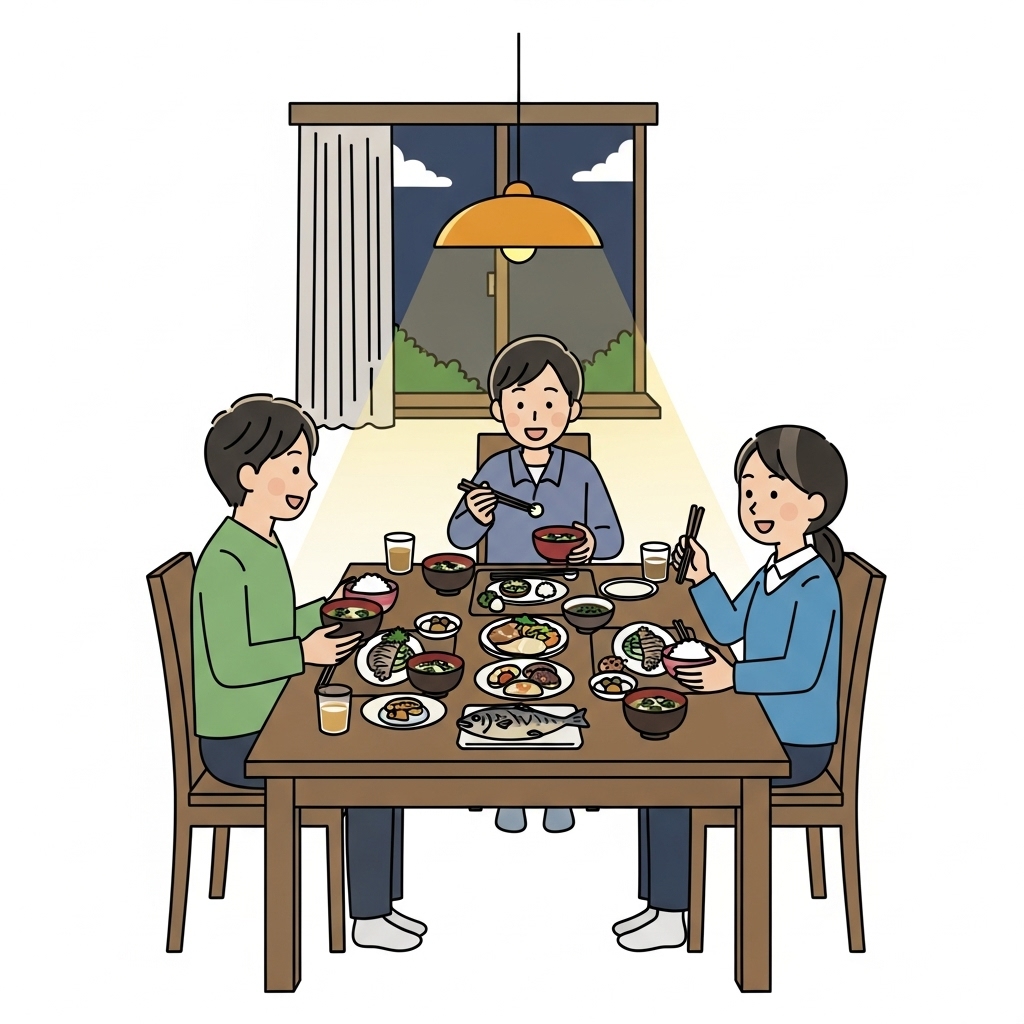
- はい、こちらに書いてあります。夕食は六時からです。
- Guest
- 分かりました。ありがとうございます。
- Staff
- ごゆっくりお過ごしください。
Conversation Practice
Dialogue 3: Reporting a Problem
A guest discovers an issue with their hotel room and calls the front desk.
- Guest
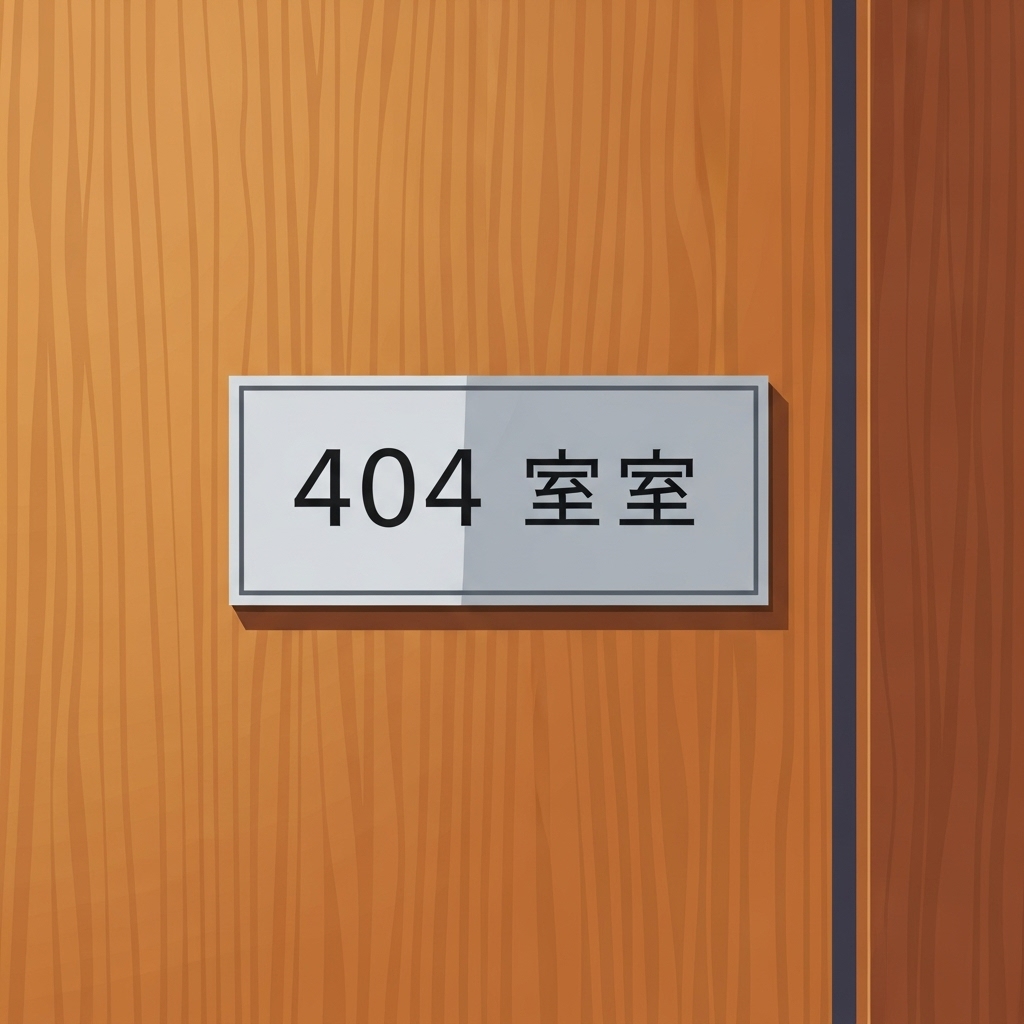
- もしもし、三〇五号室ですが、部屋に問題があります。
- Staff
- 申し訳ございません。どうされましたか。
- Guest
- エアコンが動きません。それから、お湯が出ません。
- Staff
- 大変申し訳ございません。すぐに確認いたします。
- Guest
- 部屋を変えてもらえますか。
- Staff
- はい、かしこまりました。四〇二号室をご用意いたします。
- Guest
- ありがとうございます。
- Staff
- こちらこそ、ご迷惑をおかけして申し訳ございません。
Conversation Practice
Dialogue 4: Asking for Transportation Help
A guest needs help arranging a taxi and getting directions.
- Guest
- すみません、タクシーをお願いします。
- Staff
- はい、かしこまりました。どちらまでですか。
- Guest
- 京都駅までお願いします。
- Staff
- 京都駅ですね。すぐに呼びます。十分ぐらいかかります。
- Guest
- ありがとうございます。駅から空港への行き方を教えてもらえますか。
- Staff
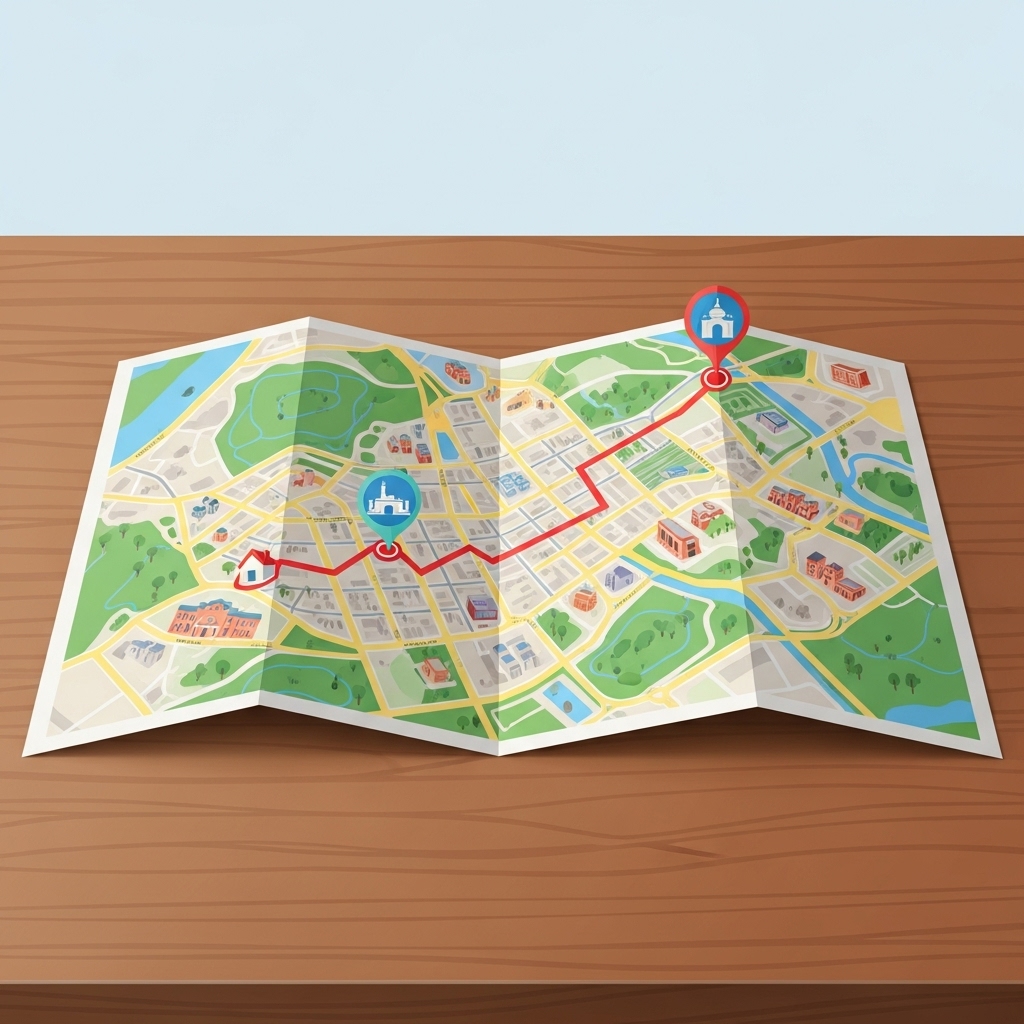
- はい、駅から特急電車があります。三十分ぐらいです。こちらに地図があります。
- Guest
- 分かりました。ありがとうございます。
- Staff
- どういたしまして。お気をつけて。
Conversation Practice
Dialogue 5: Checking Out
A guest is ready to leave and completes the check-out process.
- Guest
- チェックアウトをお願いします。二〇三号室です。
- Staff
- 二〇三号室の山田様ですね。お部屋はいかがでしたか。
- Guest
- とても良かったです。ありがとうございました。
- Staff
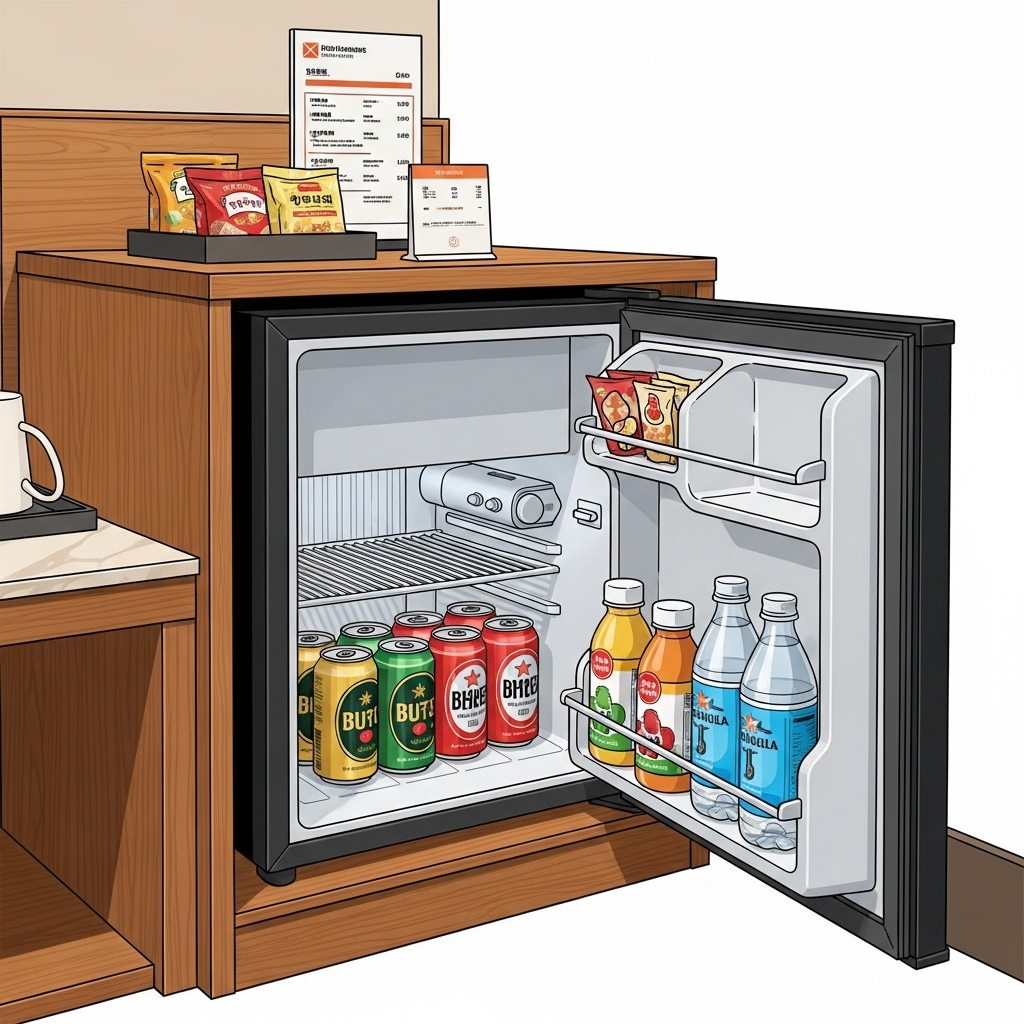
- ありがとうございます。ミニバーは使いましたか。
- Guest
- いいえ、使っていません。
- Staff
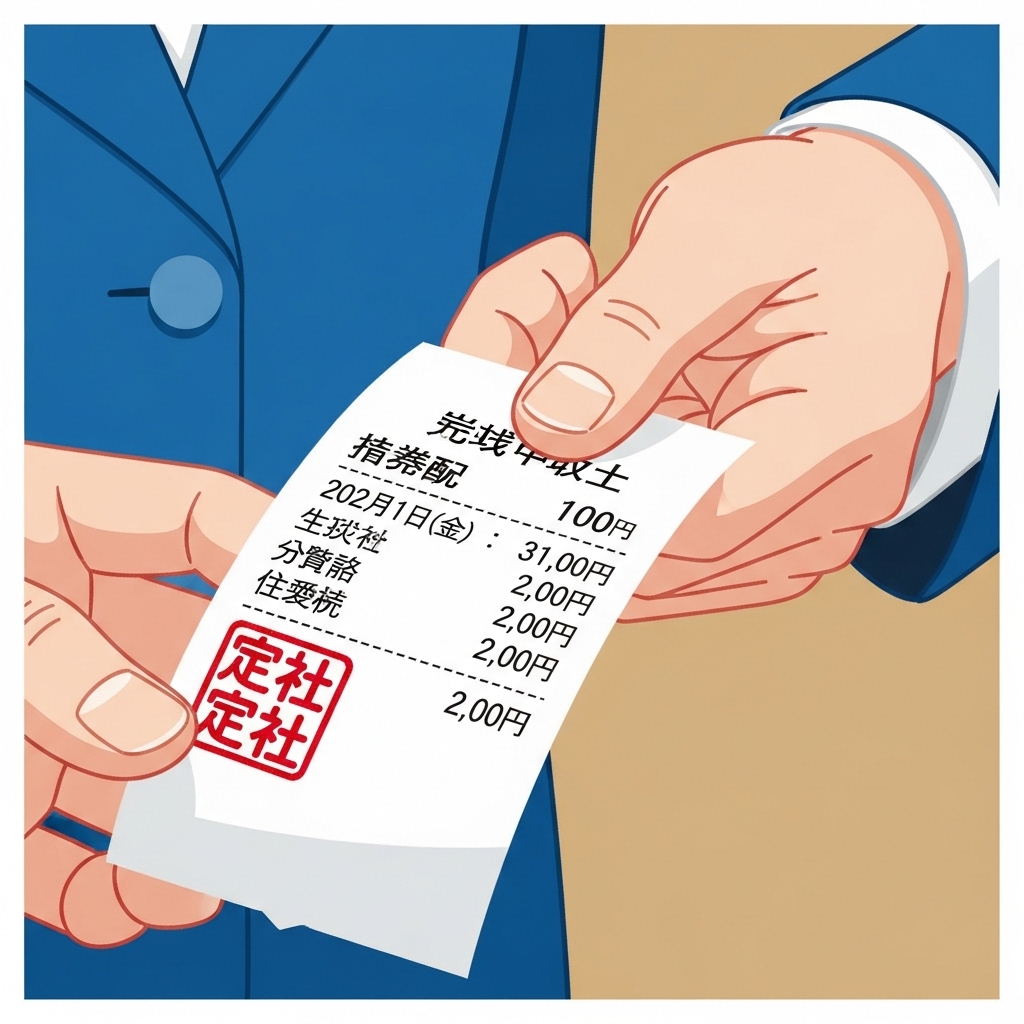
- かしこまりました。では、こちらが領収書です。
- Guest
- すみません、荷物を二時間ぐらい預けてもらえますか。
- Staff
- はい、もちろんです。こちらにお預けください。
- Guest
- ありがとうございます。
- Staff
- またのお越しをお待ちしております。
Conversation Practice
Short story
私は先週、京都のホテルに泊まりました。インターネットで予約をしました。十二月一日から三日まで、二泊三日です。ホテルに着いて、チェックインしました。フロントの人はとても親切でした。Wi-Fiのパスワードを教えてもらいました。部屋は三階でした。部屋はきれいで、景色も良かったです。でも、一つ問題がありました。お湯が出ませんでした。フロントに電話をして、すぐに直してもらいました。次の日、京都駅への行き方を教えてもらいました。地図ももらいました。チェックアウトの時、荷物を預けました。午後に荷物を取りに行きました。とても良いホテルでした。また泊まりたいです。
Wordbank
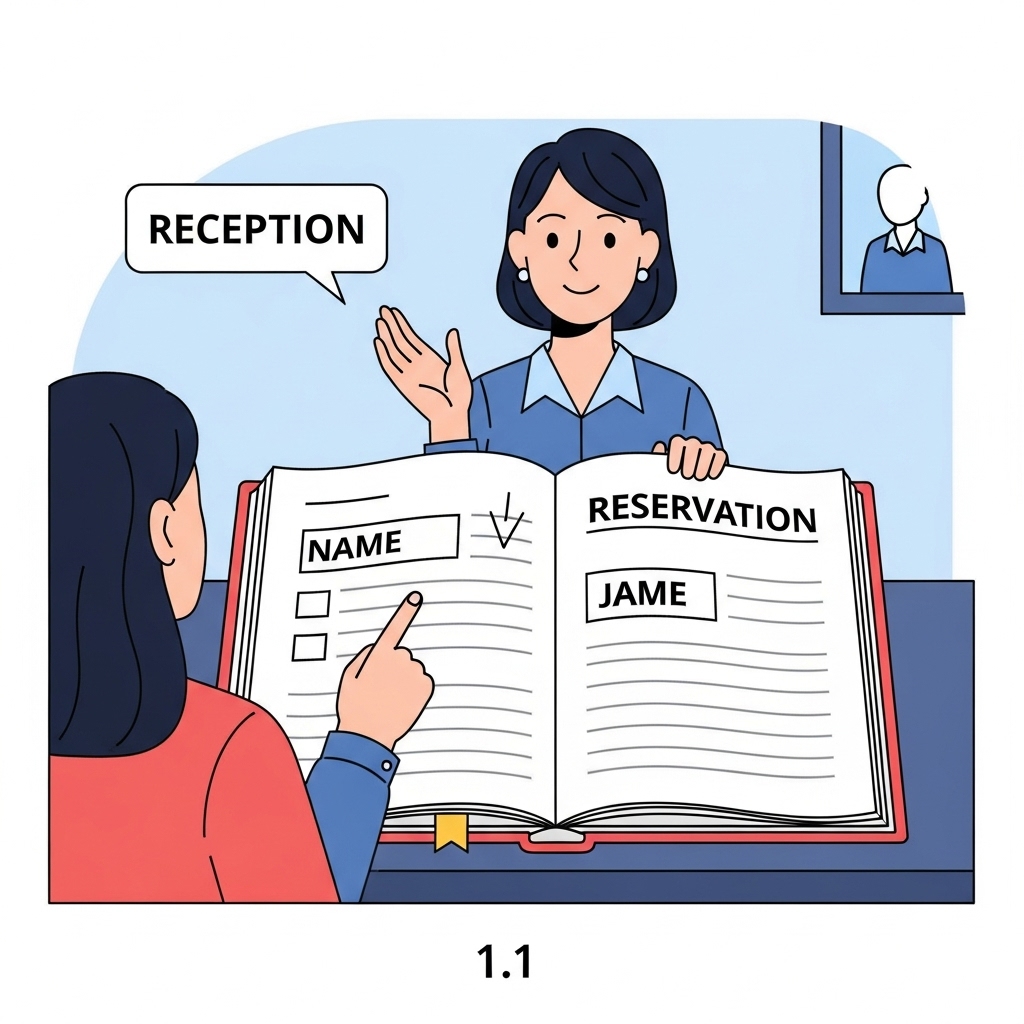
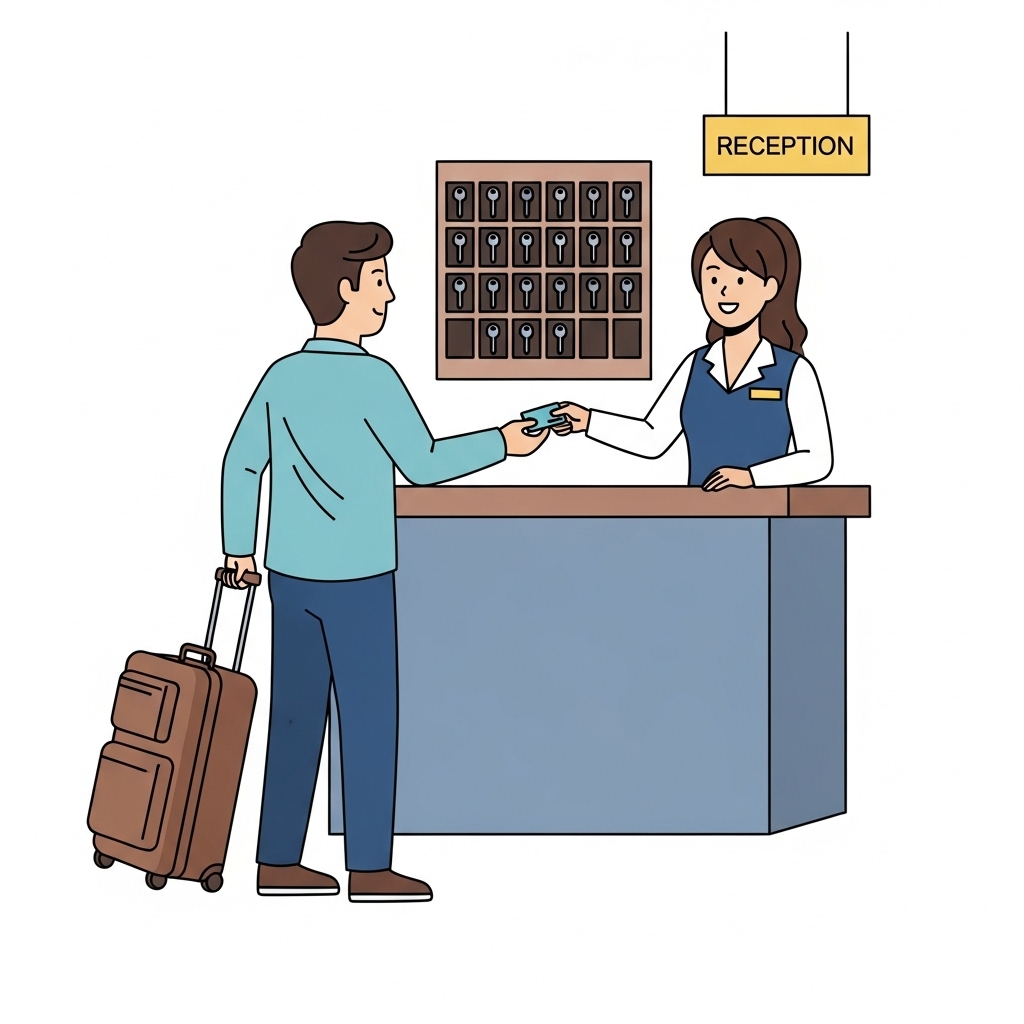
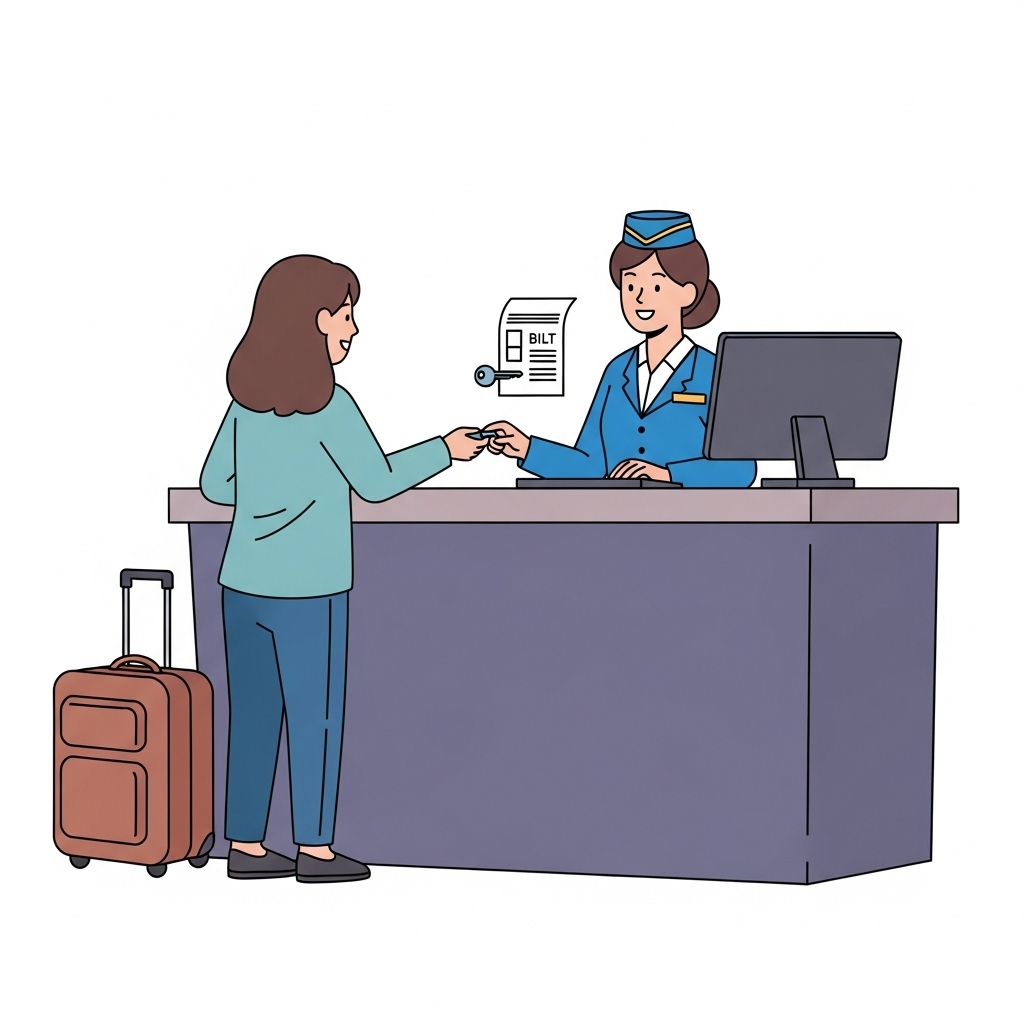
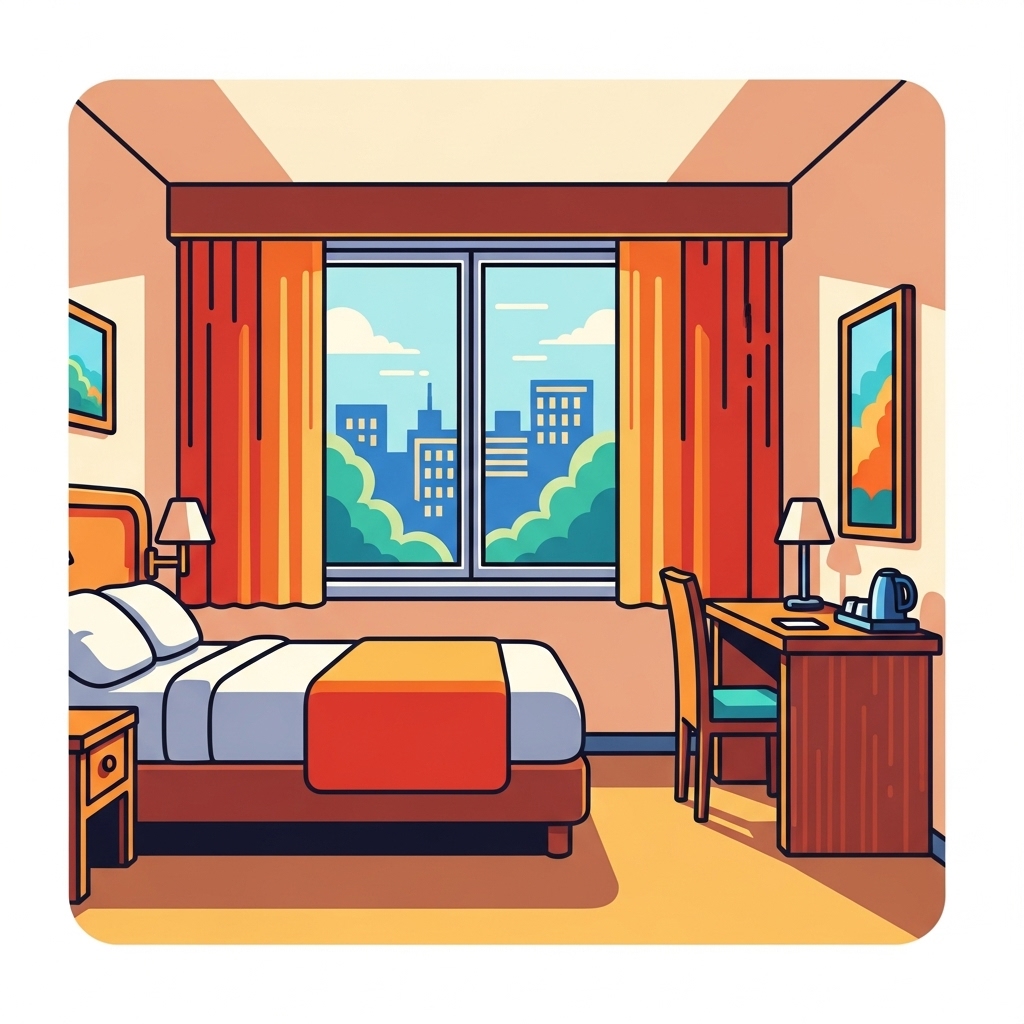






In-person lesson material
Warmup 1: vocab
Before proceeding with the lesson, master these essential accommodation-related words:
- reservation
- check-in / check-out
- room
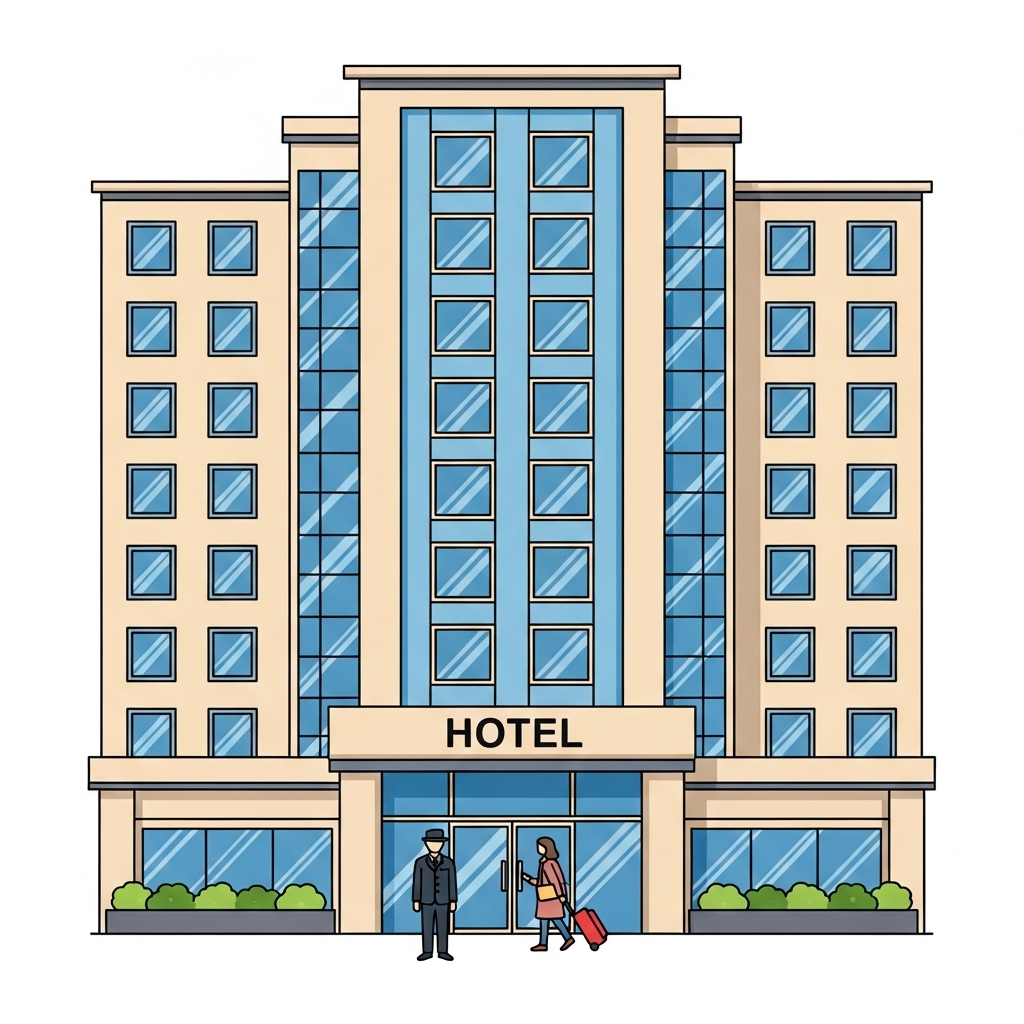
- hotel
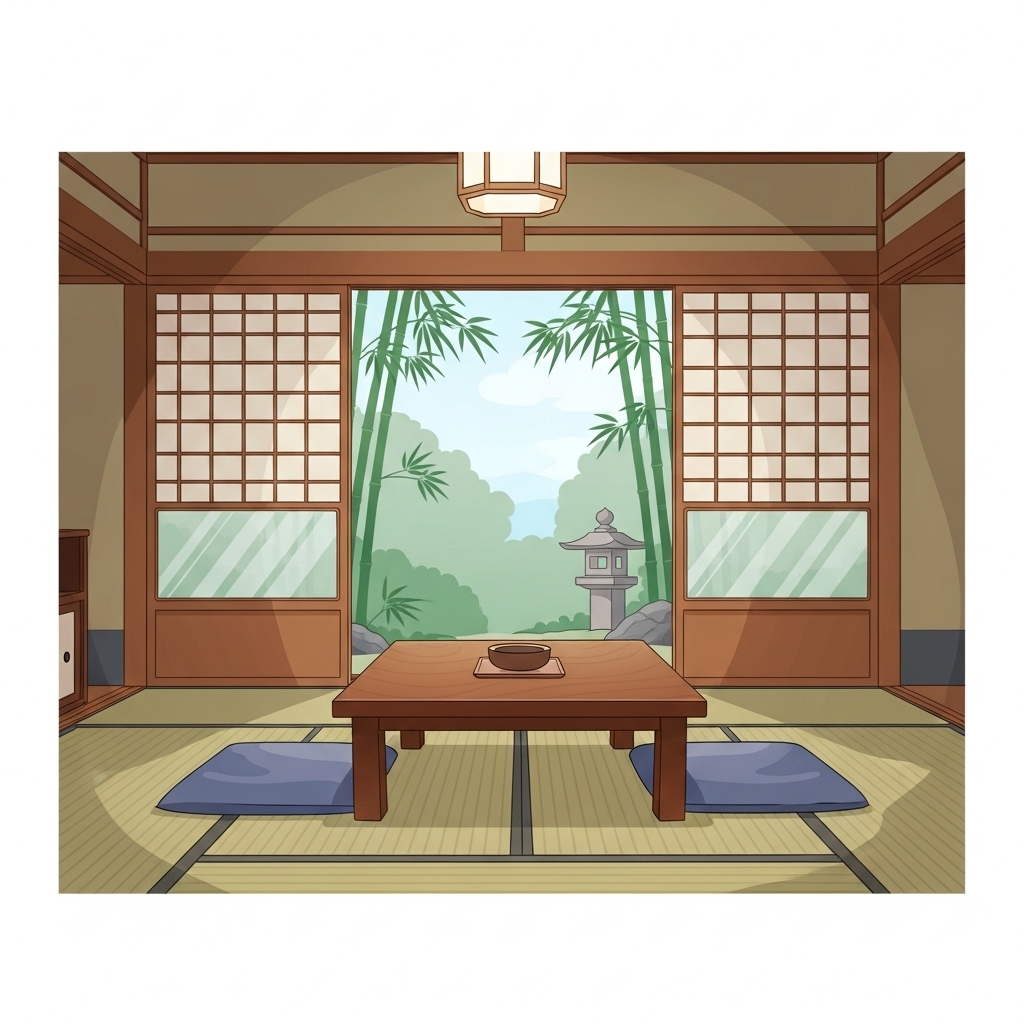
- ryokan (traditional Japanese inn)
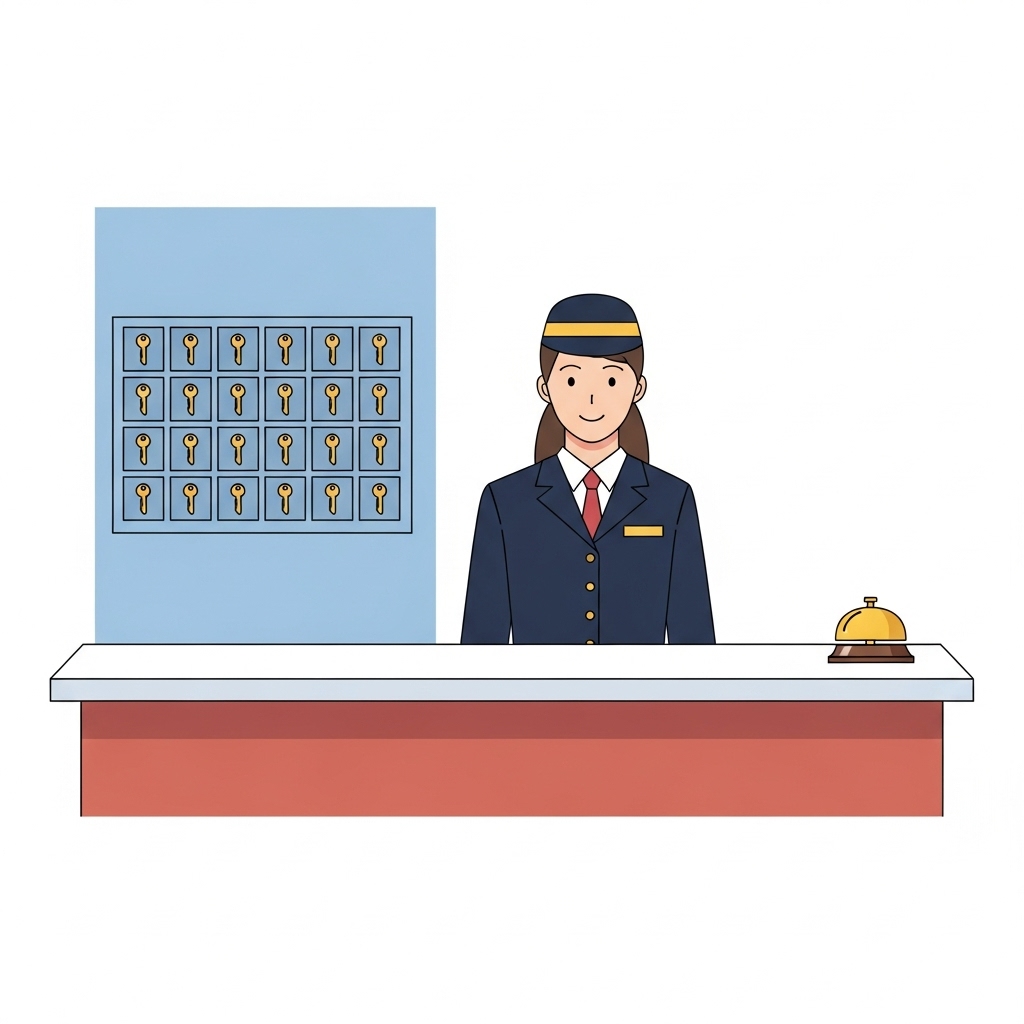
- front desk / reception
- key
- passport
- problem / issue
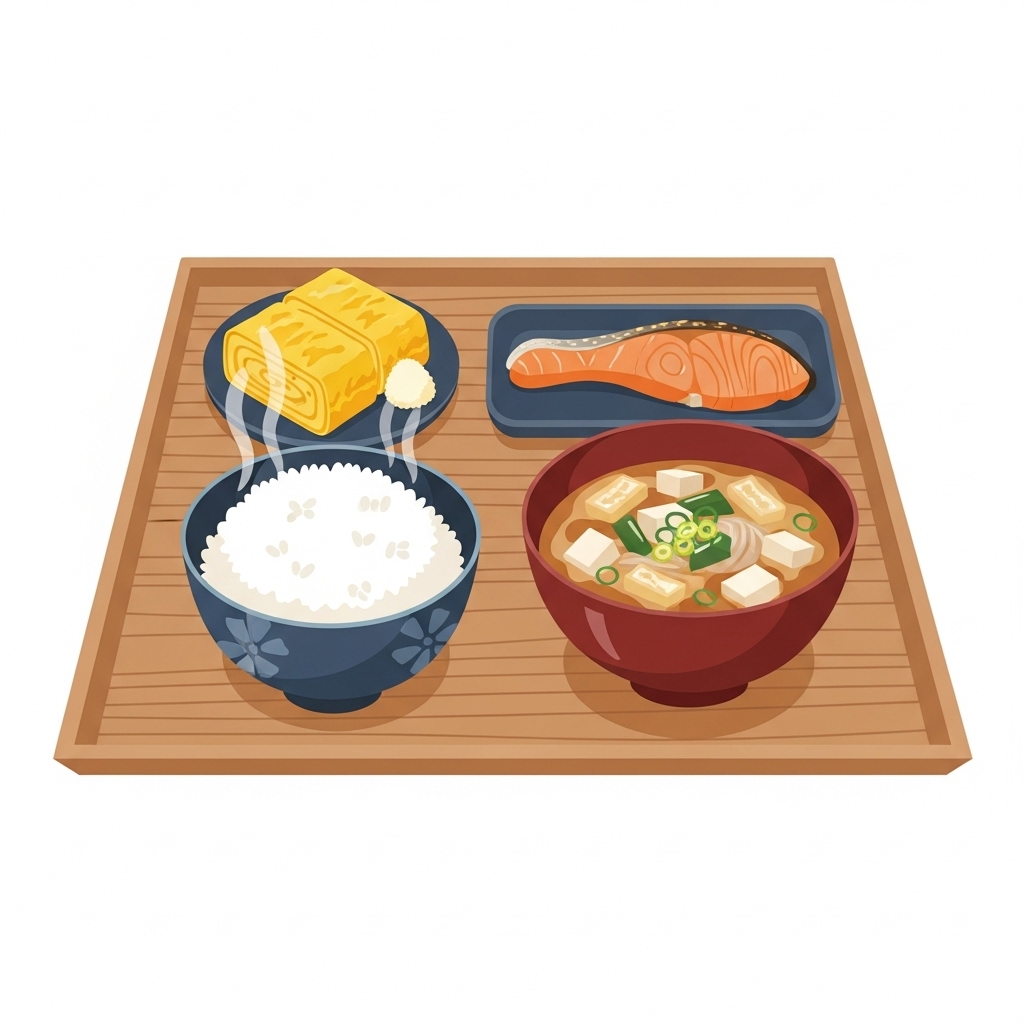
- breakfast / dinner
- air conditioner
- hot water
- taxi
- luggage / baggage
- train station
- airport
- map
- receipt
- to stay (overnight)
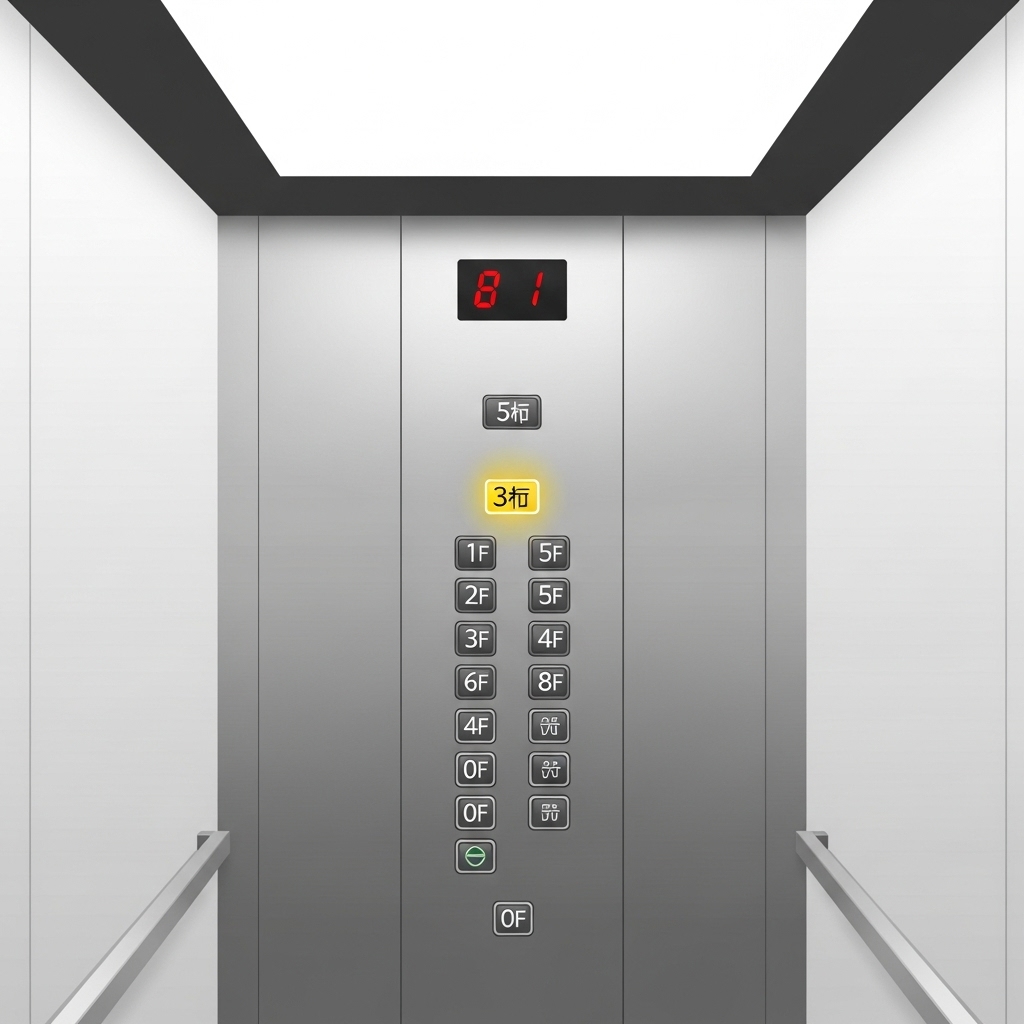
- floor (of building)
- room number
Warmup 2: phrases
Master these key phrases and sentence patterns before advancing:
- "I'd like to make a reservation, please"
- "Could you change my reservation?"
- "I'd like to check in"
- "From [date] to [date]"
- "There's a problem with the room"
- "The air conditioner doesn't work"
- "Could you change my room?"
- "Please call a taxi for me"
- "How do I get there from here?"
- "What time is check-out?"
- "Can I check in early?"
- "Could you hold my luggage?"
- "Please tell me the Wi-Fi password"
- "Could you tell me how to get to the station?"
- The polite request form: ~てもらえますか / ~していただけますか
- The desire expression: ~たいんですが
Conversation
Dialogue 1: Making a Reservation Change
Context: The student has already made a hotel reservation but needs to change the dates due to a flight change.
Student role: You are a traveler who booked a hotel room for December 10-12 but your flight has changed. You need to change your reservation to December 11-13 (one day later). Call the hotel to request this change. You also want to confirm the breakfast times and ask about parking.
Teacher role: You are the hotel receptionist. The student will call to change their reservation. Ask for their name to find the reservation, confirm the new dates clearly, and let them know if the change is possible. Tell them breakfast is from 7:00-10:00 AM. Inform them that parking is available and free. Be polite and helpful.
Objectives: - Student: Successfully communicate the date change, confirm new reservation details, and ask about hotel facilities - Teacher: Practice responding to requests professionally, confirming information clearly, and providing additional information about services
Dialogue 2: Reporting Multiple Room Problems
Context: The student has just checked into a ryokan room and found several issues.
Student role: You've checked into room 205 at a ryokan, but there are problems: the heater doesn't work, there's no hot water, and the TV remote is missing. Call the front desk to report these issues. Be polite but clear about the problems. Ask if they can fix them quickly or if you can change rooms.
Teacher role: You are the ryokan staff member. The student will report problems with their room. Apologize sincerely for each issue. Say you'll send someone to check the heater and hot water immediately. Offer to bring a new remote in 5 minutes. If the student wants to change rooms, offer room 308 which is available. Maintain a very apologetic and service-oriented attitude.
Objectives: - Student: Practice describing multiple problems clearly, making requests politely, and negotiating solutions - Teacher: Practice appropriate apologies, offering solutions, and maintaining professional composure when handling complaints
Dialogue 3: Getting Transportation Help and Local Advice
Context: The student is checking out tomorrow morning and needs help planning their departure and getting recommendations.
Student role: You're checking out tomorrow at 10 AM and need to get to Osaka by 1 PM for a meeting. Ask the concierge about the best way to get there and how long it takes. Also ask them to arrange a taxi for 9:30 AM. Additionally, you want recommendations for a good place to eat lunch near Osaka station.
Teacher role: You are the hotel concierge. Help the student plan their trip to Osaka. Explain that from Kyoto Station, they can take the JR Special Rapid train (takes about 30 minutes) or the Shinkansen (takes 15 minutes but more expensive). Agree to arrange a taxi for 9:30 AM to Kyoto Station. Recommend 2-3 restaurants near Osaka station for lunch (you can invent names). Ask about their food preferences to give better recommendations.
Objectives: - Student: Practice requesting services, asking for advice and recommendations, understanding transportation options - Teacher: Practice giving clear directions and recommendations, explaining options with pros/cons, asking follow-up questions to provide better service